
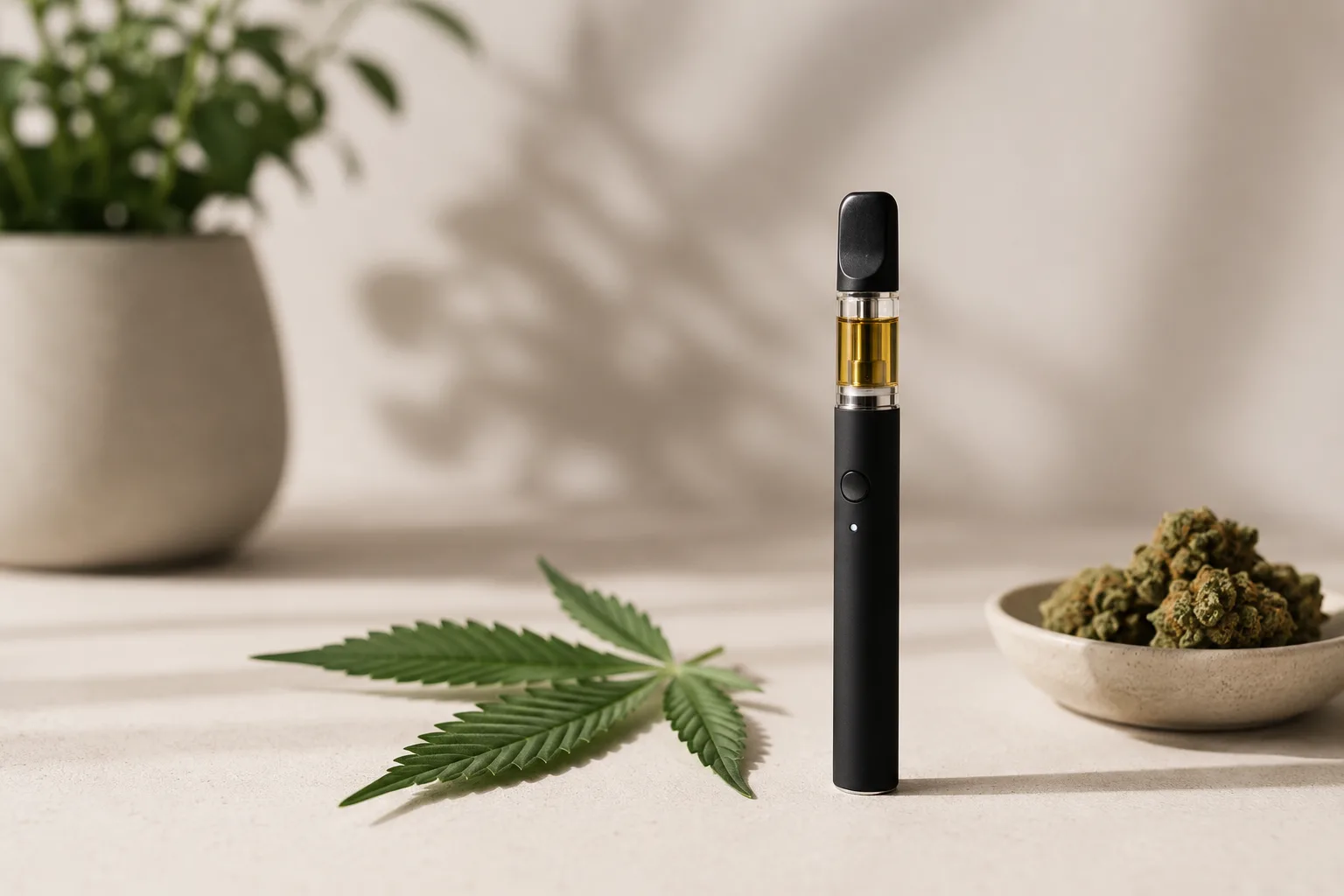
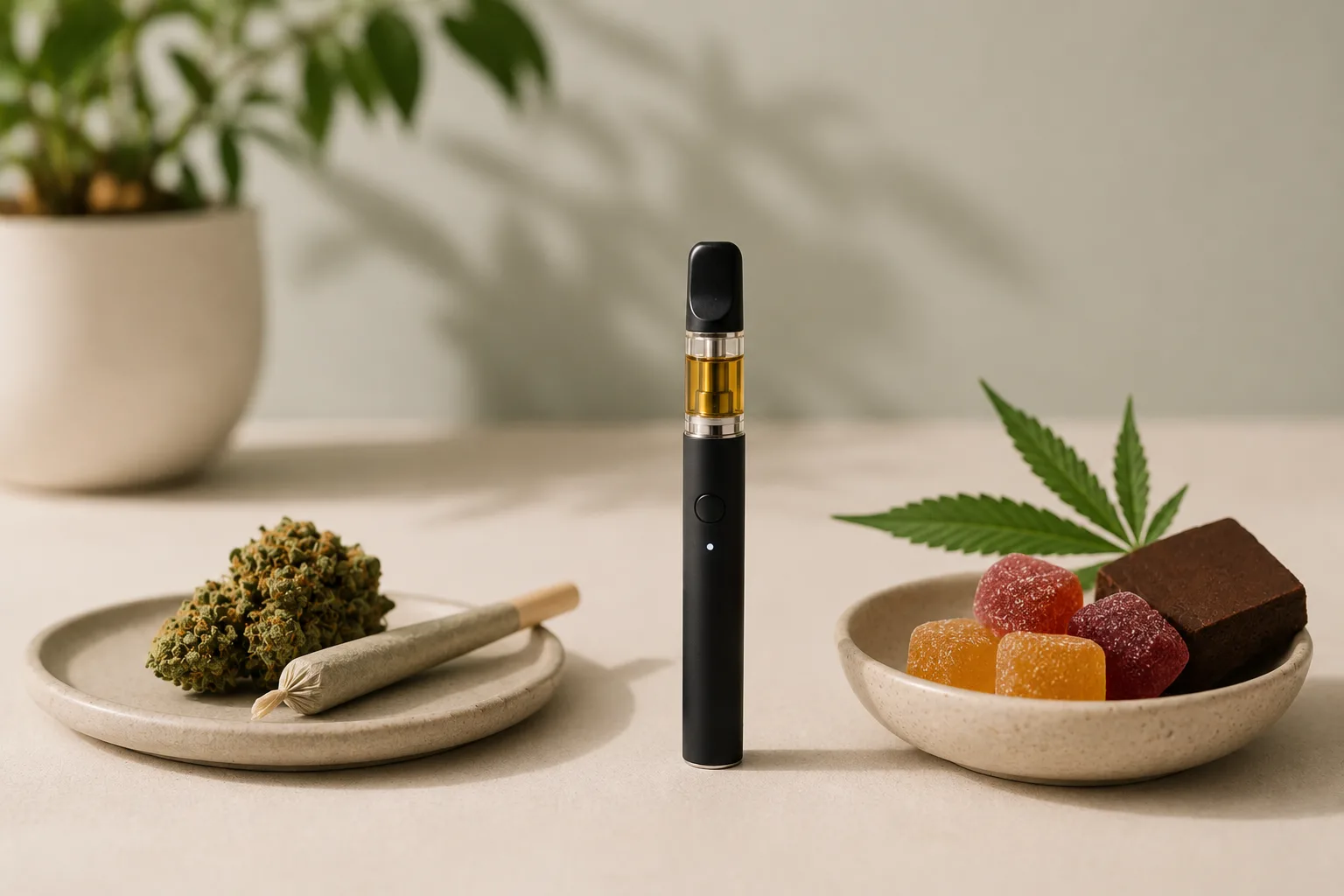
Cannabis Vape Pens Explained & How to Choose One
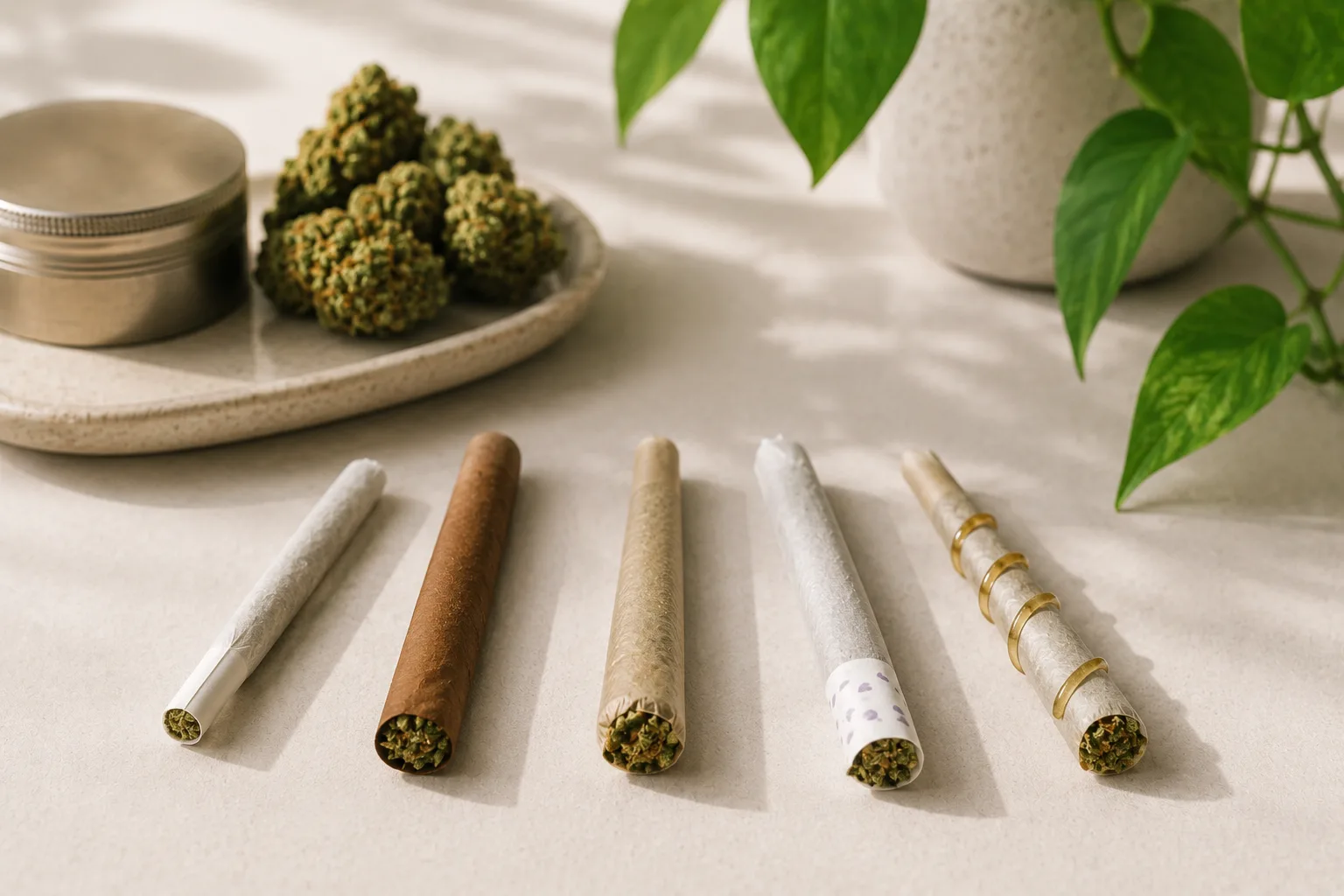
Vape pens are now the second most popular cannabis product category in legal markets, trailing only flower. That shift happened…
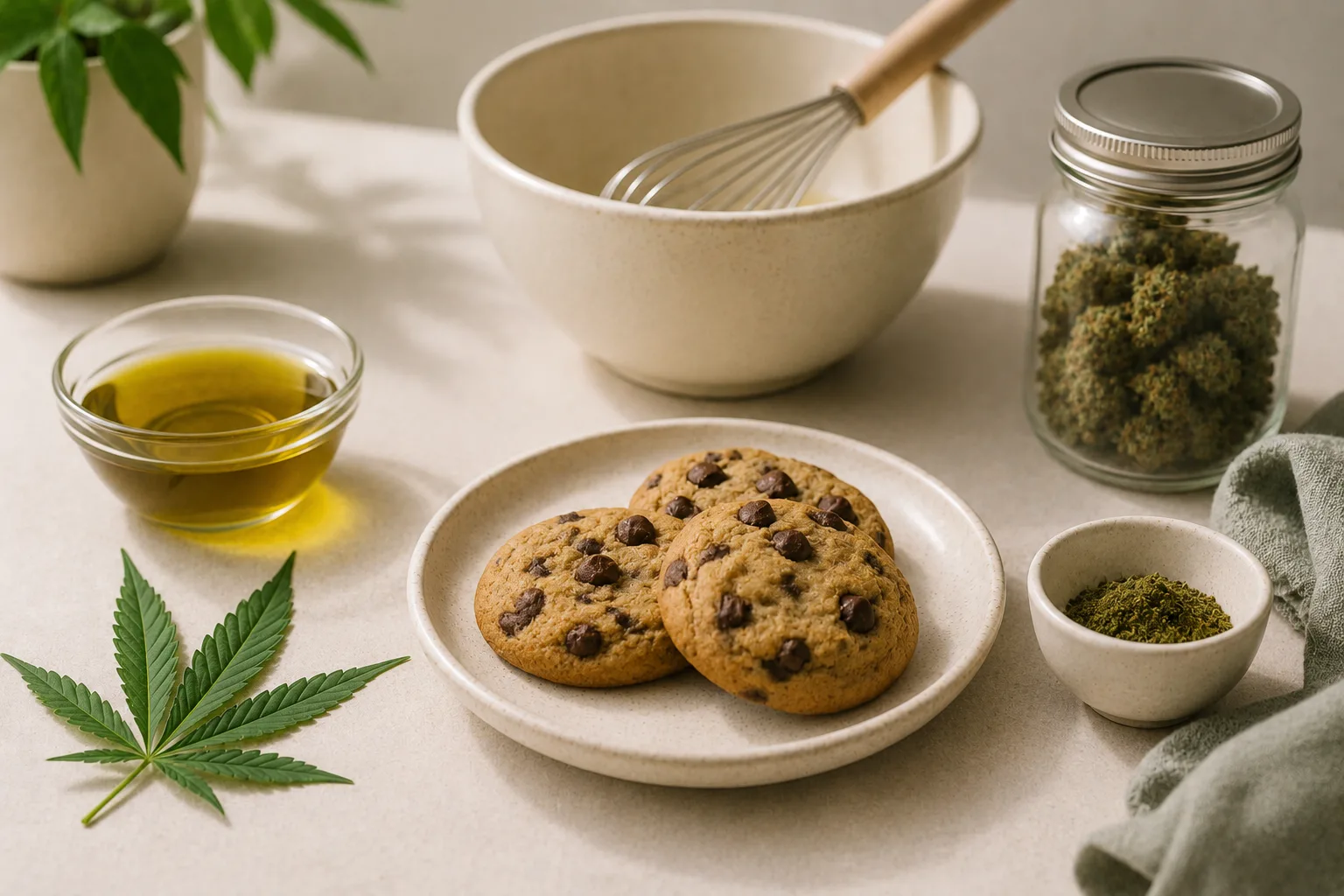
You have a quiet evening planned and want something special to unwind with, but the store-bought edibles never quite hit the mark. That is when many people decide to learn how to make cannabutter right in their own kitchen. With just a few simple ingredients and a little patience, you can create a versatile base that turns ordinary recipes into personalized, potent treats.
Making cannabutter at home gives you complete control over strength, flavor, and ingredients. You choose the flower, decide the ratio, and know exactly what goes into every batch. The result is a smooth, buttery infusion that works beautifully in brownies, cookies, sauces, or even your morning coffee. Once you master the process, the possibilities feel endless.
Cannabutter serves as the foundation for countless cannabis-infused recipes. Because the cannabinoids bind to fat, the butter carries them efficiently through your digestive system, producing longer-lasting effects than smoking or vaping. This makes it ideal for people who prefer steady, all-day or evening relief without repeated dosing.
Home preparation also lets you use premium, locally grown flower that matches your preferred effects. A bright hybrid might inspire creativity in the kitchen, while an indica-dominant strain supports deep relaxation. The quality of your starting material shows up clearly in the final product, which is why many Portlanders turn to trusted local sources for the freshest results.
Before you can make cannabutter, the cannabis must be activated through decarboxylation. This simple heating process converts THCA into usable THC so your finished butter actually delivers effects.
Preheat your oven to 240°F. Grind your flower to a medium consistency and spread it evenly on a parchment-lined baking sheet. Bake for 35 to 40 minutes, stirring once halfway through. Research from the National Institutes of Health shows that this temperature range achieves strong conversion while helping preserve valuable terpenes and avoiding unnecessary degradation.
Let the decarbed flower cool completely. It will smell lightly toasted and look slightly darker. This step takes less than an hour and makes all the difference in potency.
You probably already have most of what you need:
Many home cooks share that adding lecithin noticeably improves how the body uses the cannabinoids, leading to more consistent results.
This remains the most popular way to make cannabutter because it requires no special equipment.
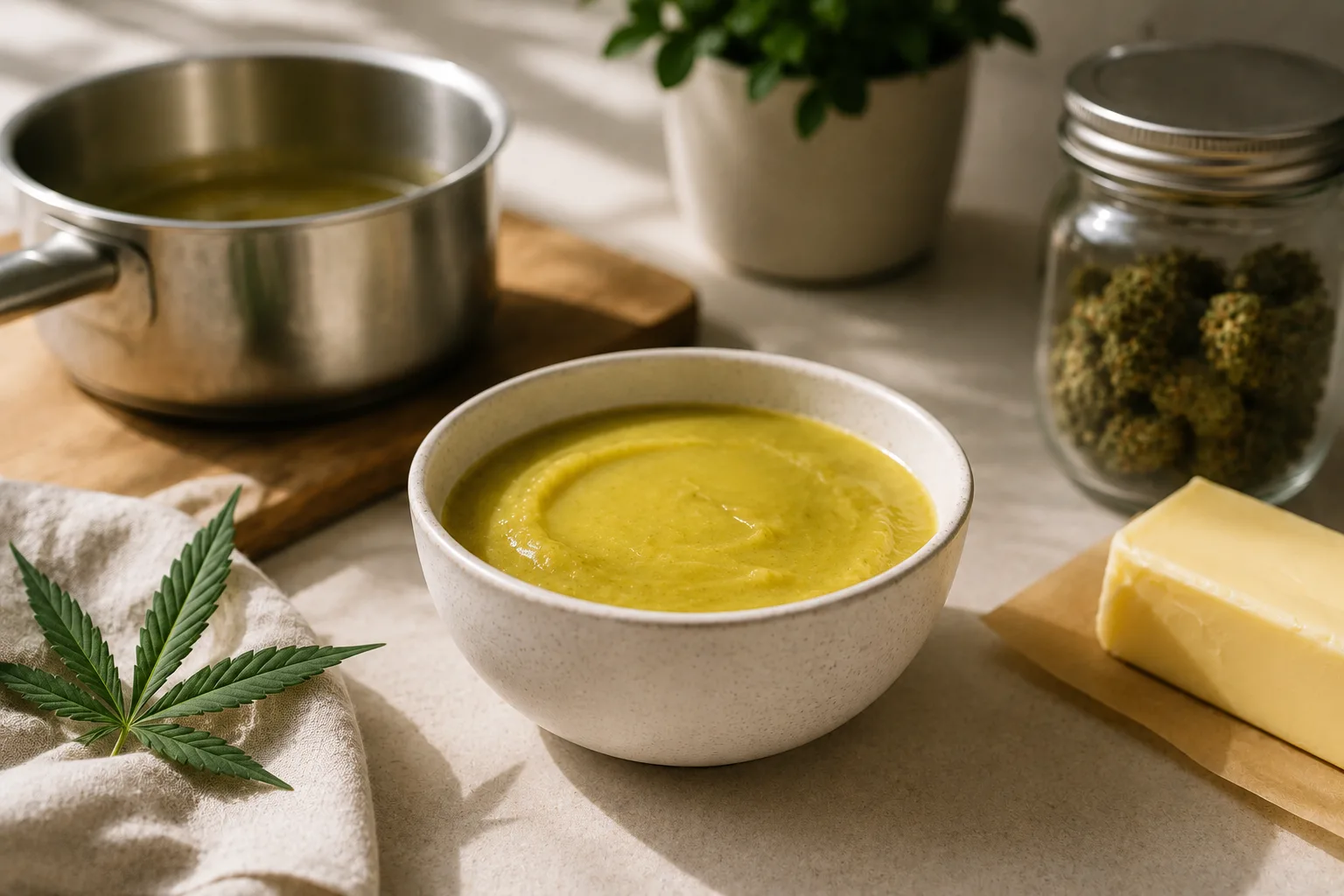
Place the butter and water in a saucepan or double boiler over low heat. Once the butter melts, add your decarbed flower and stir gently. Keep the mixture at a very low simmer (around 160–180°F) for 3 to 4 hours, stirring every 30 minutes. Never let it boil.
After the infusion time, remove from heat and let it cool slightly. Strain the mixture through cheesecloth into a clean bowl or jar, squeezing gently to extract every bit of liquid. Discard the plant material. Place the bowl in the refrigerator. The butter will rise to the top and solidify while the water stays below. Once firm, lift off the cannabutter, pat it dry, and store it in an airtight container.
For hands-off convenience, use a slow cooker on the low or warm setting. Combine the same ingredients, cook for 4 to 6 hours, and stir occasionally. The gentle, even heat produces excellent results with minimal monitoring.
If you want almost no smell in your kitchen, try the mason jar method. Combine decarbed flower and butter in a mason jar, seal it loosely, and place the jar in a pot of simmering water (water should reach halfway up the jar). Simmer for 3 to 4 hours, then strain as usual. Many people prefer this contained approach for apartment living.
Dosing is the most important part of learning how to make cannabutter. Start low and go slow. A good beginner dose is 5 to 10 milligrams of THC per serving. Wait at least two hours before taking more.
To calculate, first know your flower’s THC percentage from lab testing. For example, 10 grams of flower at 20% THC contains roughly 2,000 milligrams of potential THC. After typical losses during decarboxylation and infusion, you might end up with 1,000 to 1,400 milligrams total in your finished cup of cannabutter.
That means 1 tablespoon (about 14 grams of butter) could contain 60 to 80 milligrams of THC. For a milder batch, use only 5 to 7 grams of flower per cup or divide your finished butter into more servings. Always label your container with the approximate milligrams per tablespoon.
For precise calculations with your finished cannabutter, check out our guide on how to use an edible dosage calculator the right way at https://luckylionpdx.com/blog/how-to-use-edible-calculator/.
Store cannabutter in an airtight container in the refrigerator for up to three weeks or in the freezer for several months. It keeps its potency well when protected from light and air.
Use it exactly like regular butter in any recipe. Swap it one-to-one in brownies, cookies, or banana bread. Stir a small amount into pasta sauce or mashed potatoes for a savory twist. Some people even add a tiny bit to their morning oatmeal or coffee for a gentle, long-lasting effect.
The biggest error is rushing the process or using too high heat, which can destroy cannabinoids. Always keep temperatures low and steady. Another frequent issue is not straining thoroughly, which leaves plant material that affects taste. Double-straining through cheesecloth followed by a coffee filter gives the cleanest result.
Some first-time batches turn out weaker than expected because the flower was not fully decarbed or the infusion time was too short. Following the steps above consistently solves most problems.
At Lucky Lion we see customers return again and again once they discover how satisfying it feels to make their own cannabutter with our premium, in-house cultivated flower. The freshness and terpene profile make a real difference in both flavor and effects.
Beyond classic baked goods, try infusing it into chocolate for homemade truffles, blending it into salad dressings, or using it to make simple gummies with gelatin and fruit juice. The butter base works in both sweet and savory dishes, giving you endless options for tailoring your experience.
Whether you want something for a creative afternoon, a relaxing evening, or steady comfort, homemade cannabutter puts you in complete control. The process is straightforward, the ingredients are simple, and the results are deeply personal. Once you make your first successful batch, you will likely find yourself experimenting with different strains and ratios, discovering exactly what works best for your body and lifestyle.

© 2026 Lucky Lion
Disclaimer: This product is not for use by or sale to persons under the age of 21. Consult with a physician before use if you have a serious medical condition or use prescription medications. These statements have not been evaluated by the FDA. This product is not intended to diagnose, treat, cure or prevent any disease. By using this site you agree to follow the Privacy Policy and all Terms & Conditions printed on this site.

Address: 7817 NE Halsey St Portland, OR 97213
Address: 14800 SE Powell Blvd Portland, OR 97236
Address: 16148 NE Sandy Blvd Portland, OR 97230
Address: 2147 Main St, Springfield, OR 97477