
Cannabis Vape Pens Explained & How to Choose One
Vape pens are now the second most popular cannabis product category in legal markets, trailing only flower. That shift happened…
Picture this: it is a rainy Portland evening, and you want something comforting that fits your exact mood. You could drive to the dispensary for a pre-packaged option, yet more people are realizing the real freedom comes from learning how to make edibles at home. You choose the flower, control the strength, and create treats that taste exactly how you like them. With fresh, in-house cultivated cannabis available right here in Oregon, the process feels approachable and worthwhile.
Making edibles at home gives you precision that store-bought versions often cannot match. You know every ingredient, you adjust the dose to your body and plans, and you skip unnecessary additives. The key is understanding a few simple steps that turn ordinary flower into reliable, long-lasting effects. Once you get the basics down, the possibilities open up fast.
Edibles work differently from smoking or vaping because your liver processes the cannabinoids. This creates a stronger, longer-lasting metabolite called 11-hydroxy-THC. Effects can begin anywhere from 30 minutes to two hours after eating and may last four to eight hours or more, depending on dose, metabolism, and whether you ate recently. That extended duration is exactly why accurate homemade batches appeal to so many people seeking steady relief or a full evening of relaxation.
Home preparation also saves money over time and lets you experiment with strains that suit specific goals. A bright sativa-leaning flower might inspire creativity for a weekend project, while an indica-dominant one supports winding down. The quality of your starting material makes a noticeable difference, which is why many Portlanders turn to locally grown options like those from Lucky Lion for consistent results.
Before any infusion, cannabis needs heat to convert THCA into active THC. This process, called decarboxylation, is non-negotiable for edibles that actually work. Skip it and you will mostly get the non-psychoactive acid form with little to no effect.
The method is straightforward. Preheat your oven to 240°F. Grind your flower to a medium consistency (not powder) and spread it evenly on a parchment-lined baking sheet. Bake for 35 to 40 minutes, stirring once halfway through. Research published in National Institutes of Health archives shows this temperature range achieves strong conversion while preserving many desirable terpenes and avoiding excessive degradation.
Let the decarbed flower cool completely. It will smell toasted and look slightly darker. This batch is now ready for infusion and can be stored in an airtight jar for a few days if needed.
You do not need fancy equipment. Most kitchens already have what works best:
Many home cooks add a teaspoon of sunflower lecithin per cup of fat. Many people often note that this simple addition improves how the body absorbs the cannabinoids, leading to more consistent and efficient results.
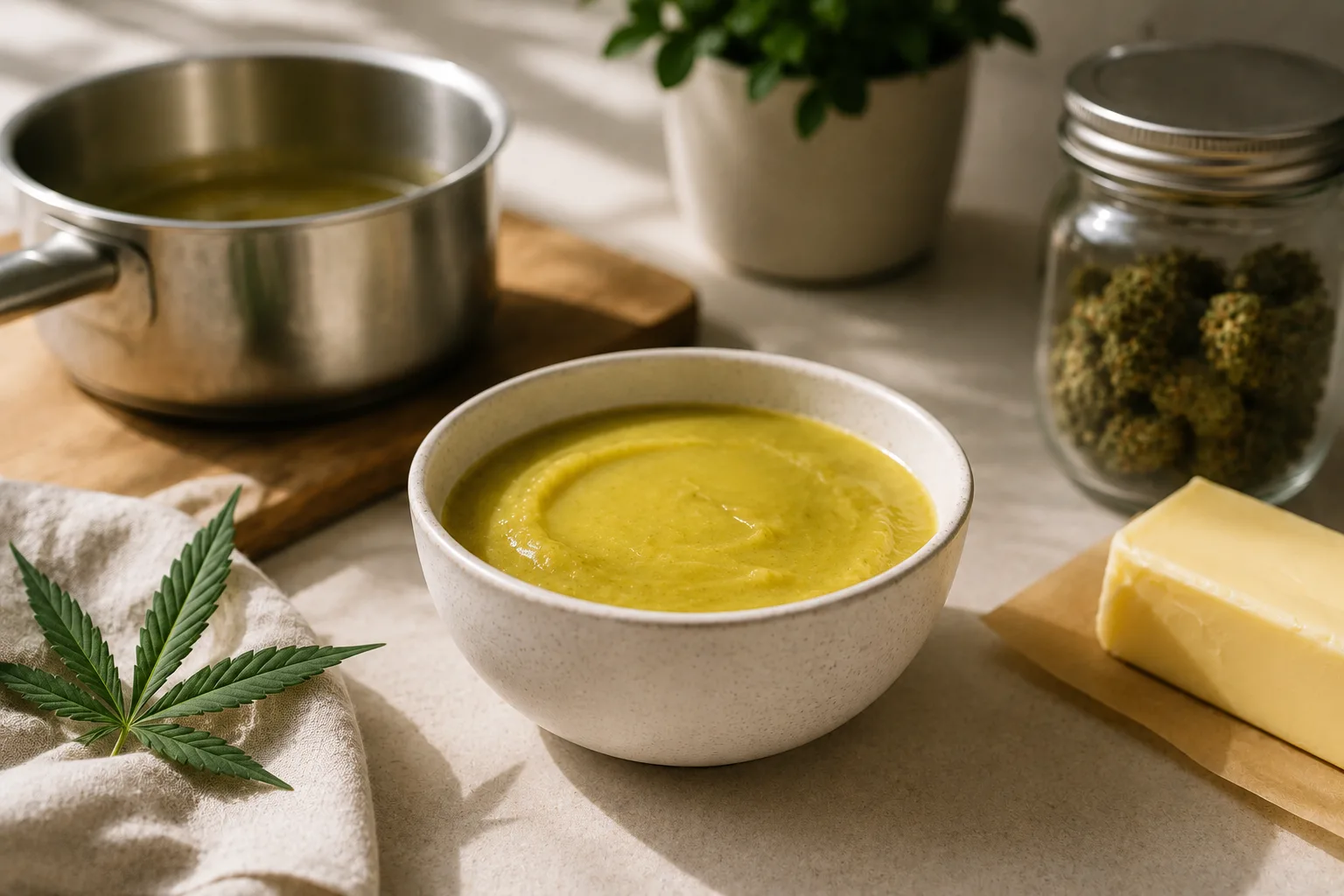
This is the heart of how to make edibles at home. The classic cannabutter method remains popular because it is versatile and forgiving.
Place one cup of butter or oil in your double boiler or slow cooker set to low. Add your decarbed flower and stir gently. Maintain a gentle simmer around 160–180°F for three to four hours if using a slow cooker, or six to eight hours with a double boiler. Stir every 30 minutes. The low, steady heat lets the fat pull out the cannabinoids without burning off potency.
Once finished, strain the mixture through cheesecloth into a clean container. Squeeze gently to extract as much liquid as possible, then discard the plant matter. Let it cool and solidify in the refrigerator. Your finished cannabutter will keep for several weeks in the fridge or up to six months in the freezer when wrapped well.
For a lower-odor alternative, some enthusiasts combine everything in a sealed mason jar submerged in a pot of simmering water. This contained approach keeps the kitchen smelling neutral, a tip frequently praised in online sharing.
Cannabutter is just the beginning. You can infuse the same decarbed flower into coconut oil for vegan recipes or even create a simple tincture by soaking it in high-proof alcohol for several weeks, shaking daily. Tinctures absorb faster under the tongue and work well for precise microdosing. Each method gives you different textures and flavor profiles to play with in the kitchen.
Dosing is where many first attempts go sideways. The golden rule is start low and go slow. Beginners often begin with 2.5 to 5 milligrams of THC per serving and wait a full two hours before considering more.
To calculate accurately, first know your flower’s THC percentage from lab testing. For example, 10 grams of flower at 18% THC contains roughly 1,800 milligrams of potential THC. After typical losses from decarboxylation and infusion (around 30–50% total), you might end up with 900–1,200 milligrams usable in your finished batch. Divide that by the number of servings you plan to make. Twenty cookies from that batch would land around 45–60 milligrams each—far too strong for most people. Adjust by using less flower or making more servings.
For a deeper look at using an edible dosage calculator the right way, including examples tailored to homemade batches, visit our guide on the Lucky Lion blog at https://luckylionpdx.com/blog/how-to-use-edible-calculator/.
Always label your finished edibles clearly with the approximate milligrams per piece. This small habit prevents the classic mistake of eating another serving too soon.
Effects usually begin between 30 minutes and two hours, though a full stomach can delay onset further. The peak often arrives around two to four hours, and the overall experience can stretch six to twelve hours depending on dose and individual factors. This longer duration happens because the liver converts THC into a more potent form that crosses the blood-brain barrier more effectively than inhaled cannabis.
One home cook shared on social media how their first batch hit much harder and longer than expected after they ate a large meal beforehand. The lesson stuck: timing and food intake matter as much as the dose itself.
Real experiences highlight small details that elevate results. Double-straining through cheesecloth followed by a coffee filter removes more plant material and reduces any bitter aftertaste. Keeping infusion temperatures low preserves flavor and potency. Testing a tiny amount of your finished infusion on its own before baking an entire recipe saves disappointment.
Another common story involves someone who underestimated their homemade brownies, ate several, and ended up with an unexpectedly intense evening. They recovered fine, but the memory serves as a clear reminder to respect the delayed onset and always err on the side of caution.
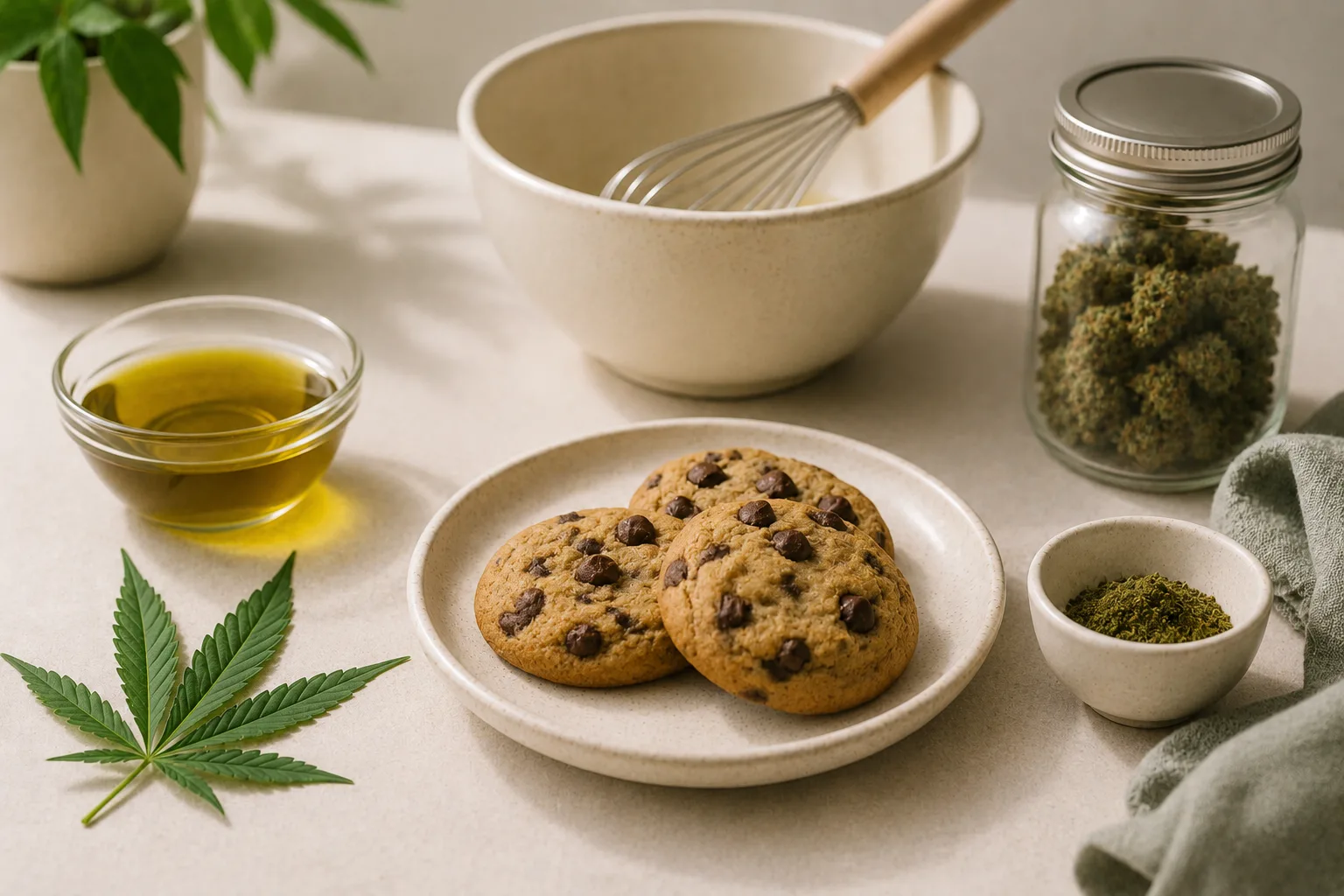
Once you have cannabutter or infused oil, the fun begins. Stir a small amount into morning oatmeal or coffee for a gentle start. Bake classic chocolate chip cookies or brownies using your infused fat in place of regular butter. For savory options, drizzle infused olive oil over roasted vegetables or popcorn. Gummies require a bit more technique with gelatin and molds, but many people enjoy the process once they master the base infusion.
Pair strains thoughtfully. A fruity hybrid might complement berry desserts, while an earthy indica works nicely in richer chocolate treats. The goal is balance so the cannabis enhances rather than overpowers the recipe.
Keep finished treats in airtight containers in the refrigerator for up to a week or the freezer for several months. Always label with date and approximate dose. Store away from children and pets, and never leave them where they could be mistaken for regular snacks. Proper storage maintains both potency and flavor.
Learning how to make edibles at home is ultimately about empowerment and personalization. With quality flower, patience, and a willingness to start small, you create experiences that fit your life rather than the other way around. Each batch teaches you something new about your own preferences and tolerance. Before long, the process feels less like a recipe and more like a reliable ritual you look forward to refining.

© 2026 Lucky Lion
Disclaimer: This product is not for use by or sale to persons under the age of 21. Consult with a physician before use if you have a serious medical condition or use prescription medications. These statements have not been evaluated by the FDA. This product is not intended to diagnose, treat, cure or prevent any disease. By using this site you agree to follow the Privacy Policy and all Terms & Conditions printed on this site.

Address: 7817 NE Halsey St Portland, OR 97213
Address: 14800 SE Powell Blvd Portland, OR 97236
Address: 16148 NE Sandy Blvd Portland, OR 97230
Address: 2147 Main St, Springfield, OR 97477