
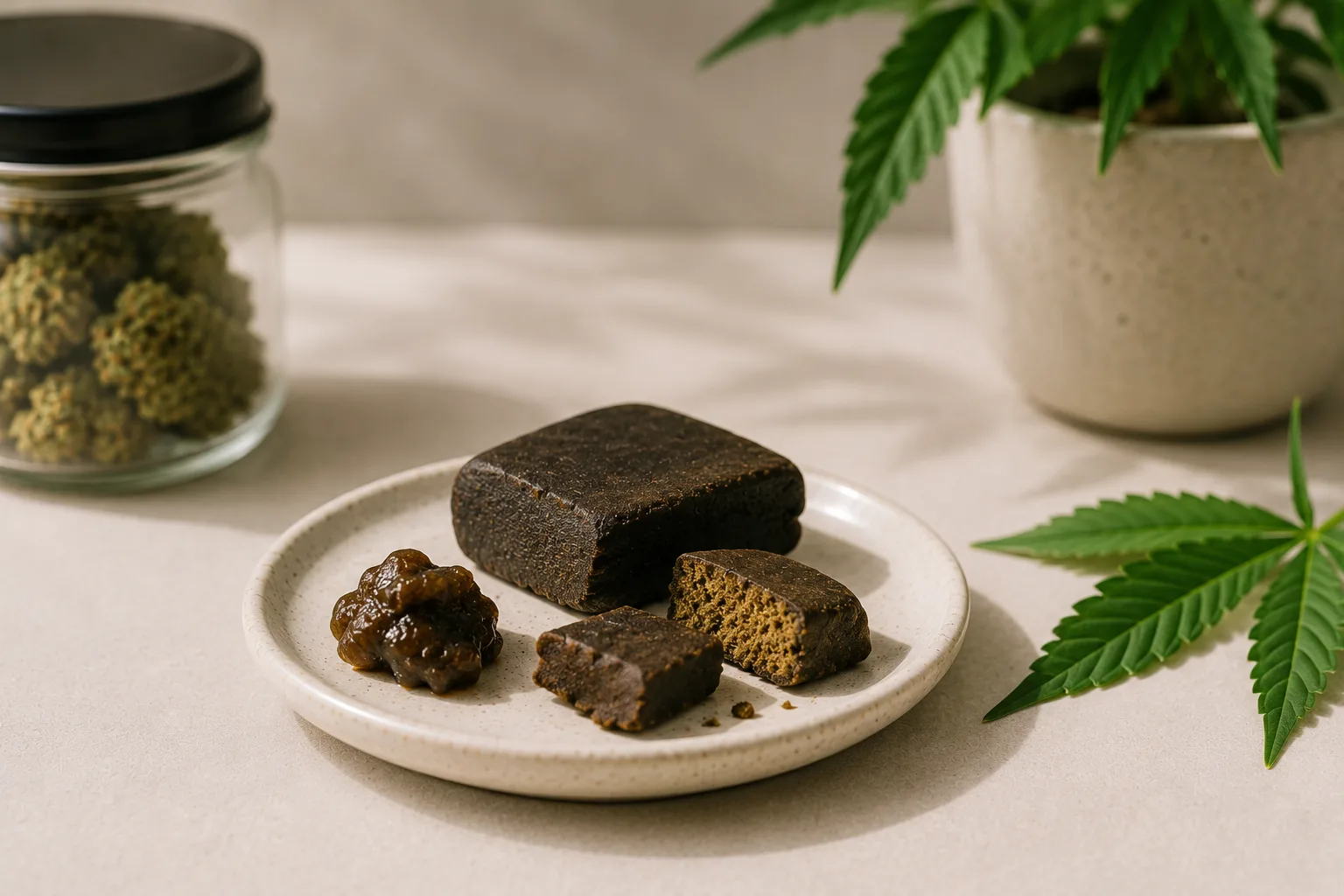
What Is Hash?
If you have spent any time exploring cannabis products, you have probably heard the word hash. It has been around…
These two words cause more confusion than almost any other terms in cannabis. They sound nearly identical, both show up in premium product lines, and both command prices that make new concentrate shoppers do a double-take. But live rosin vs live resin is not just a spelling difference. The two products are made through fundamentally different processes, carry different implications for what’s in the final product, and appeal to consumers for distinct reasons.
The concentrate category has grown fast in Oregon’s legal market. Solventless products in particular have moved from a niche enthusiast category to a mainstream shelf staple, and the terminology has struggled to keep pace. Knowing how to read a concentrate label, and what the process behind it actually means for flavor, potency, and safety, gives you a real advantage at the counter and a better experience after you leave.
Both live resin and live rosin start from the same place: fresh-frozen cannabis. That shared starting point is what the word “live” refers to in both names. From there, the paths diverge completely. Here’s what each involves, how they compare across every dimension that matters, and who each is best suited for.
Before unpacking live rosin vs live resin specifically, it helps to understand what “live” signals on any concentrate label. Traditional concentrates are made from cannabis flower that has been harvested, dried, and cured before extraction. That drying and curing process is standard for flower sold as-is, but it has a significant side effect: terpene loss. Terpenes are the aromatic compounds responsible for a strain’s distinctive flavor and smell, and they’re volatile. Heat, light, and time cause them to evaporate.
“Live” concentrates skip the drying and curing step entirely. Cannabis is harvested and then immediately frozen, typically within an hour or two of being cut, at cryogenic temperatures that lock in the plant’s terpene profile at its freshest moment. The difference in aroma between a live product and one made from dried flower is often immediately noticeable, even through the packaging. Terpene concentrations in live extracts are meaningfully higher, which is why live resin and live rosin both sit at the premium end of the concentrate spectrum.
The fresh-freeze process also preserves minor cannabinoids that degrade during drying. For consumers interested in the full chemical profile of a plant, not just peak THC, the “live” designation is a useful quality signal beyond just flavor.
Live resin is a solvent-extracted concentrate made from fresh-frozen cannabis. After harvest and freezing, the plant material is processed using hydrocarbon solvents, typically butane, propane, or a combination of both, at sub-zero temperatures. Running the extraction cold, often between -20°F and -50°F, helps preserve the sensitive terpene and cannabinoid compounds that would otherwise degrade at higher temperatures.
The solvent washes over the frozen plant material, dissolving the cannabinoids and terpenes from the trichomes and carrying them into a collection vessel. The solvent-rich solution is then purged through a combination of gentle heat and vacuum pressure, removing the hydrocarbons from the final product. When done correctly in a licensed commercial facility, residual solvent levels in live resin fall well below Oregon’s regulatory limits, typically under 500 parts per million for butane. Lab-tested products from licensed dispensaries are verified to meet those thresholds.
The resulting extract is golden, aromatic, and dense with terpenes. Depending on post-extraction handling, live resin can take several forms. Sauce is a liquid-heavy consistency with large THCA crystals suspended in a terpene-rich liquid. Sugar has a grainy, wet-sand texture. Badder is creamy and whipped. All of these are live resin; the texture reflects how the extract was processed after the initial extraction rather than any difference in the starting material or method.
Live resin typically tests between 65 and 90 percent THC, and its terpene profile is among the richest available in any solvent-extracted product. That terpene richness is the defining characteristic. For consumers who want potency and flavor together and are comfortable with lab-tested solvent extraction, live resin is consistently one of the most compelling options on the concentrate shelf.
Live rosin starts from the same fresh-frozen cannabis as live resin, but the extraction process couldn’t be more different. No solvents are involved at any stage. Instead, the frozen flower goes through an ice water extraction first, where it’s agitated in ice-cold water that causes the trichomes to become brittle and break away from the plant material. The resulting mixture is filtered through a series of fine mesh bags to collect the trichome heads, producing what’s called bubble hash or ice water hash.
That bubble hash is then pressed using a rosin press: two heated plates that apply significant, controlled pressure at temperatures typically between 160°F and 220°F, depending on the specific input material and desired outcome. The heat and pressure cause the trichomes to release their resinous contents, which are squeezed out onto collection paper and gathered. The result is a completely solventless extract, with nothing in the final product that wasn’t already in the plant.
The two-stage process, ice water wash followed by pressing, is significantly more labor-intensive than solvent extraction and produces smaller yields. Rosin yield from bubble hash typically runs 10 to 25 percent by weight, meaning you need several grams of starting material for each gram of final product. That yield gap, combined with the manual labor involved, is why live rosin commands a higher price than live resin at the dispensary counter.
Live rosin can also be post-processed into different textures. Cold cure rosin is one of the most sought-after formats: after pressing, the rosin is sealed and held at a low temperature for days, shifting the consistency from a sappy, translucent texture to a more stable, budder-like consistency. Cold cure rosin is prized for its terpene retention and smooth, complex flavor. Badder and jam are other common rosin textures, achieved through different handling and temperature conditions after the press.
At a Glance
| Live Resin | Live Rosin | |
| Starting Material | Fresh-frozen cannabis flower | Fresh-frozen cannabis flower or bubble hash |
| Extraction Method | Hydrocarbon solvents (butane/propane), sub-zero temps | Ice water wash + heat and pressure press — no solvents |
| Solvent-Free? | No (solvents purged in final product) | Yes |
| Terpene Preservation | Very high | Highest — gentler process protects volatile compounds |
| Typical THC Range | 65–90% | 60–80% |
| Flavor Profile | Rich, strain-accurate, terpene-forward | Complex, true-to-plant, often considered most authentic |
| Common Textures | Sauce, badder, sugar, cartridges | Badder, jam, cold cure, cartridges |
| Price Point | Premium | Premium to ultra-premium |
| Best For | Flavor + potency, value vs rosin | Solventless purists, flavor connoisseurs |
Flavor: Which Tastes Better?
Both live resin and live rosin are terpene-forward concentrates, and both are dramatically more flavorful than distillate or cured resin products. The flavor distinction between the two is real but subtle, and it often comes down to the quality of the starting flower more than anything else. Top-tier fresh-frozen input material produces an excellent concentrate, whether it goes through a solvent or solventless process.
That said, live rosin has a slight edge in flavor complexity for most experienced consumers. The ice water wash and press process is gentler than hydrocarbon extraction, and it preserves some of the most volatile terpene compounds that can be affected even by the carefully controlled temperatures used in live resin extraction. The output of a well-made live rosin has been described as mimicking the exact aroma and flavor of the living plant in its final moments before harvest. Live resin is exceptional, but the solvent process, even when perfectly executed, introduces a variable that solventless extraction simply doesn’t.
A customer who tried both side by side described it this way: “I’d been buying live resin carts for a year and thought I knew what the strain tasted like. Then I tried a live rosin badder of the same cultivar at Lucky Lion and realized I’d been getting maybe 80 percent of the flavor. The rosin had this freshness to it that was hard to describe.” That’s not unusual feedback from consumers who make the comparison directly.
In direct comparisons, live resin tends to test at slightly higher THC percentages than live rosin from equivalent starting material. The hydrocarbon solvent process is more efficient at extracting total cannabinoids from the plant, and the resulting concentrate can reach 85 to 90 percent THC fairly consistently. Live rosin typically lands between 60 and 80 percent, though exceptional batches can push higher.
For practical purposes, the potency difference between a high-quality live resin and a high-quality live rosin is less significant than it looks on paper. Both are highly concentrated products that deliver a strong effect. The higher terpene integrity in live rosin also means the full-plant compound profile is more present, which influences the character and quality of the experience beyond just the THC number. If you’re newer to concentrates and want to understand how THC concentration translates to effect, the Lucky Lion guide to THC for beginners is a useful foundation before diving into the concentrate category.
Live rosin is the most expensive concentrate category on most dispensary menus, and the reason is straightforward: it costs significantly more to make. Solvent extraction scales well and can be largely automated. Rosin production is a manual, small-batch process with lower yield ratios at every stage. The ice water wash to produce bubble hash is itself labor-intensive, and then the pressing step adds another layer. Each gram of live rosin at the counter represents considerably more starting material and production time than a gram of live resin.
Live resin is still a premium product compared to distillate or cured resin, but the price gap between live resin and live rosin is real and reflects genuine production cost differences. For consumers who specifically prioritize solventless extraction, the premium is easy to justify. For consumers comfortable with lab-verified solvent-extracted products who want to maximize value while still getting a high-terpene experience, live resin is a genuinely strong choice.
This is one of the most common questions around live rosin vs live resin, and it deserves a direct answer. Live resin is made with hydrocarbon solvents, but those solvents are purged from the final product before it reaches the shelf. In Oregon’s licensed market, concentrates must pass third-party lab testing that verifies residual solvent levels fall within the state’s regulatory limits. Products that exceed those limits don’t pass testing and can’t be sold.
For consumers considering live resin, the relevant question isn’t whether solvents were used in production but whether the final product is clean. Lab-tested live resin from a licensed Oregon producer is verified to be within safe parameters. The COA (Certificate of Analysis) for any concentrate product will list residual solvent levels alongside cannabinoid and terpene data, and any reputable brand makes those results available.
Live rosin contains no solvents at any stage of production. For consumers who specifically want a product with zero solvent involvement on principle rather than because of safety concerns with tested products, live rosin is the clear answer. For consumers whose primary concern is the safety of what’s in the final product, tested live resin from a licensed source addresses that concern directly.
Both concentrates are available in multiple formats beyond the traditional dab-only presentation, which has expanded the audience considerably.
Dabbing remains the format that best expresses a live concentrate’s flavor and potency. A dab rig with a banger or nail heated to the right temperature, typically 450°F to 600°F for most concentrates and somewhat lower for terpene-sensitive live rosin, allows the full compound profile to vaporize without combustion. Lower-temperature dabs preserve more terpenes and produce a smoother, more flavorful hit; higher-temperature dabs produce larger vapor clouds but at the cost of some flavor complexity. For live rosin specifically, keeping temperatures on the lower end is worth the effort.
Vape cartridges and disposable pens filled with live resin or live rosin oil are now widely available and represent a more accessible entry point for consumers who aren’t ready to invest in dab hardware. If you’re considering vaping as your format, the Lucky Lion guide to cannabis vape pens covers how to match hardware to oil type, which matters when you’re buying a premium live product.
Infused pre-rolls loaded with live resin or live rosin are another increasingly popular format. These combine the familiar ritual of smoking flower with the added potency and flavor of a concentrate, and they’re a low-barrier way to experience what live concentrates add to the overall effect without any additional hardware.
Live resin and live rosin also appear in edible formats, where the terpene and minor cannabinoid content from the live extraction carries into the final product alongside THC. This differs meaningfully from distillate-based edibles and is worth seeking out for consumers interested in the entourage effect principles live extracts are best positioned to deliver.
The live rosin vs live resin decision comes down to what you prioritize. If you want the cleanest possible extraction with no solvent involvement at any stage, live rosin is the answer, and the premium price reflects a genuine production difference. If you want the most terpene-rich experience available in the solvent-extracted category and want to stretch your budget further while still buying a high-quality, lab-tested product, live resin is exceptionally competitive.
And if you’re new to concentrates, either format is a significant upgrade over standard distillate, and starting with a live resin cart or infused pre-roll is a lower-commitment way to understand what fresh-frozen extraction changes about the experience before investing in a full dab setup.
Next time you stop by any Lucky Lion location, don’t hesitate to chat with our staff about our wide range of live resin and rosin products. Whether you’re a cannabis connoisseur or just dipping your toes into the world of concentrates, our team is here to walk you through our options and help you find the perfect product for you.

© 2026 Lucky Lion
Disclaimer: This product is not for use by or sale to persons under the age of 21. Consult with a physician before use if you have a serious medical condition or use prescription medications. These statements have not been evaluated by the FDA. This product is not intended to diagnose, treat, cure or prevent any disease. By using this site you agree to follow the Privacy Policy and all Terms & Conditions printed on this site.
Address: 7817 NE Halsey St Portland, OR 97213
Address: 14800 SE Powell Blvd Portland, OR 97236
Address: 16148 NE Sandy Blvd Portland, OR 97230
Address: 2147 Main St, Springfield, OR 97477