
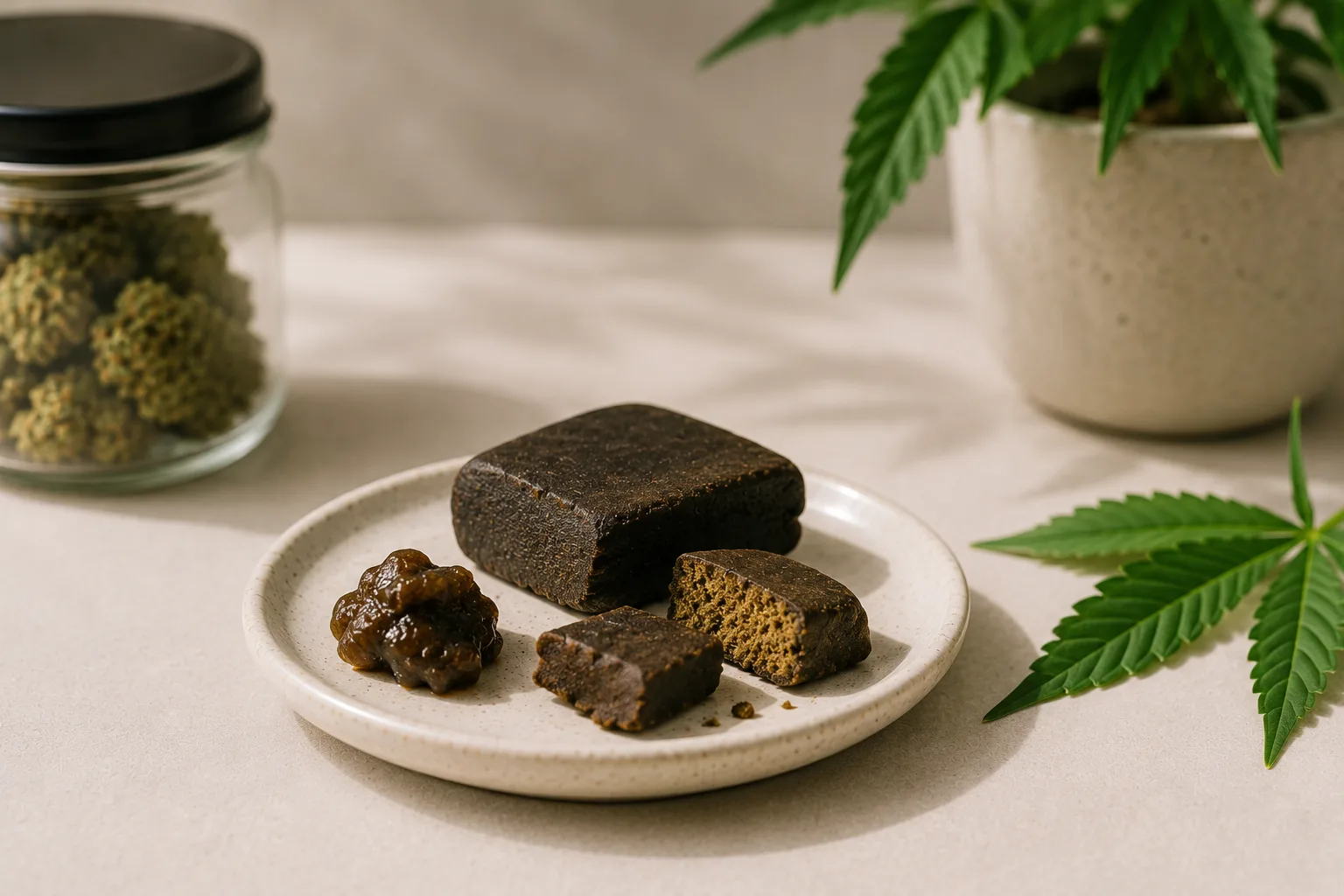
What Is Hash?
If you have spent any time exploring cannabis products, you have probably heard the word hash. It has been around…
Walk into a dispensary for the first time, and the wall of jars, vape cartridges, and edibles can feel like standing in front of a menu written in a language you almost speak. That’s exactly the moment a budtender steps in. Cannabis retail has grown into a serious industry, with legal sales topping billions of dollars a year across the country, and the person behind the counter is often the difference between a confusing visit and a genuinely good one.
If you’ve never set foot in a dispensary, or you’re weighing a career change into cannabis, the term gets thrown around a lot without much explanation. Here’s what a budtender actually does, why the role matters more than people assume, and how to make the most of talking to one.
A budtender is the retail staff member at a cannabis dispensary who helps customers find the right product for what they need. That’s the short version of the budtender meaning, but the job goes deeper than ringing up a sale. A good budtender understands strains, potency, consumption methods, and how different products tend to affect different people, and they use that knowledge to guide a conversation rather than just point at a shelf.
Think of it as part retail associate, part product expert, part translator. Someone walks in wanting help sleeping better, or looking for something that won’t leave them foggy the next morning, or just curious what all the fuss around a specific strain is about. The budtender’s job is to take that vague goal and match it to something that actually exists on the shelf.
Lucky Lion leans on this heavily, since the brand’s whole philosophy is built around quality over quantity. When your flower is grown in-house, and every strain has its own story, having staff who can actually explain that story to a customer isn’t a nice extra. It’s central to the experience.
The day-to-day responsibilities of a budtender stretch well beyond handing over a product. Most shifts involve checking IDs at the counter, since every legal dispensary is required to verify that customers are 21 or older, or 18 and older with a valid medical card depending on the state. From there, the job shifts into something closer to hospitality.
A budtender answers questions about potency, explains the difference between smoking flower and using a vape cartridge, and walks first-timers through dosing basics for edibles, which hit differently and take longer to kick in than most people expect. They also handle transactions, keep the sales floor stocked and organized, and stay current on new arrivals so they can speak to them accurately. In many stores, budtenders also help customers understand loyalty programs, current specials, and how larger purchases work.
Here’s a specific scenario. A customer walks in looking for something to help with occasional anxiety before social events, but they’ve never tried cannabis and don’t want anything overwhelming. A skilled budtender won’t just grab the strongest thing in the case. They’ll ask a few clarifying questions, likely steer the person toward a low-dose edible or a strain with a reputation for a calmer, more grounded effect, and explain exactly what to expect and when. That kind of guidance is only possible if the strain in question is something the budtender actually knows well, understands things like indica, sativa, and hybrid classifications, which is part of why ongoing product education matters so much in this line of work.
Yes, and this is genuinely one of the most valuable parts of the job. A trained budtender pays attention to what you’re looking for, whether that’s pain relief, better sleep, creative focus, or just a relaxed evening, and narrows down options accordingly. They can’t diagnose anything or promise a medical outcome, but they can draw on product knowledge and customer feedback to point you toward something that fits your goal far better than guessing on your own would.
People sometimes compare budtenders to pharmacists, and it’s easy to see why. Both work behind a counter, both explain products customers don’t fully understand, and both play a role in how a substance affects someone’s body. But the comparison only goes so far.
Pharmacists complete years of formal pharmacy school, hold state licensure, and dispense medications with precise, regulated dosing tied to a prescription written by a doctor. Budtenders, by contrast, typically train on the job or through short certification courses, and their guidance is rooted in product knowledge and customer service rather than medical diagnosis.
A budtender can tell you that a particular strain tends to run relaxing rather than energizing, based on both the product’s profile and what regular customers report back. They can’t tell you how it will interact with a specific medication you’re taking, and a responsible budtender will say so and suggest you loop in a doctor if that’s a real concern.
The honest way to think about it: a pharmacist manages medical treatment, while a budtender manages product matching and education within a retail setting. Both roles require real expertise. They’re just different kinds of expertise, aimed at different outcomes.
Knowing what to actually say at the counter makes the entire visit smoother, and it’s one of the simplest ways to walk out with something you’ll actually enjoy. Instead of “I want to try weed,” give the budtender something to work with.
Mention what you’re hoping to feel, whether that’s relaxed, uplifted, focused, or sleepy. Say whether you’ve used cannabis before and how often, since tolerance changes almost everything about a recommendation. Bring up how you’d prefer to consume it too, since someone who doesn’t want to smoke anything is going to end up in a completely different part of the store than someone looking for classic flower. If you’re nervous about getting too high, say that directly. Budtenders hear it constantly and would much rather steer you toward something mild than watch you have a rough night.
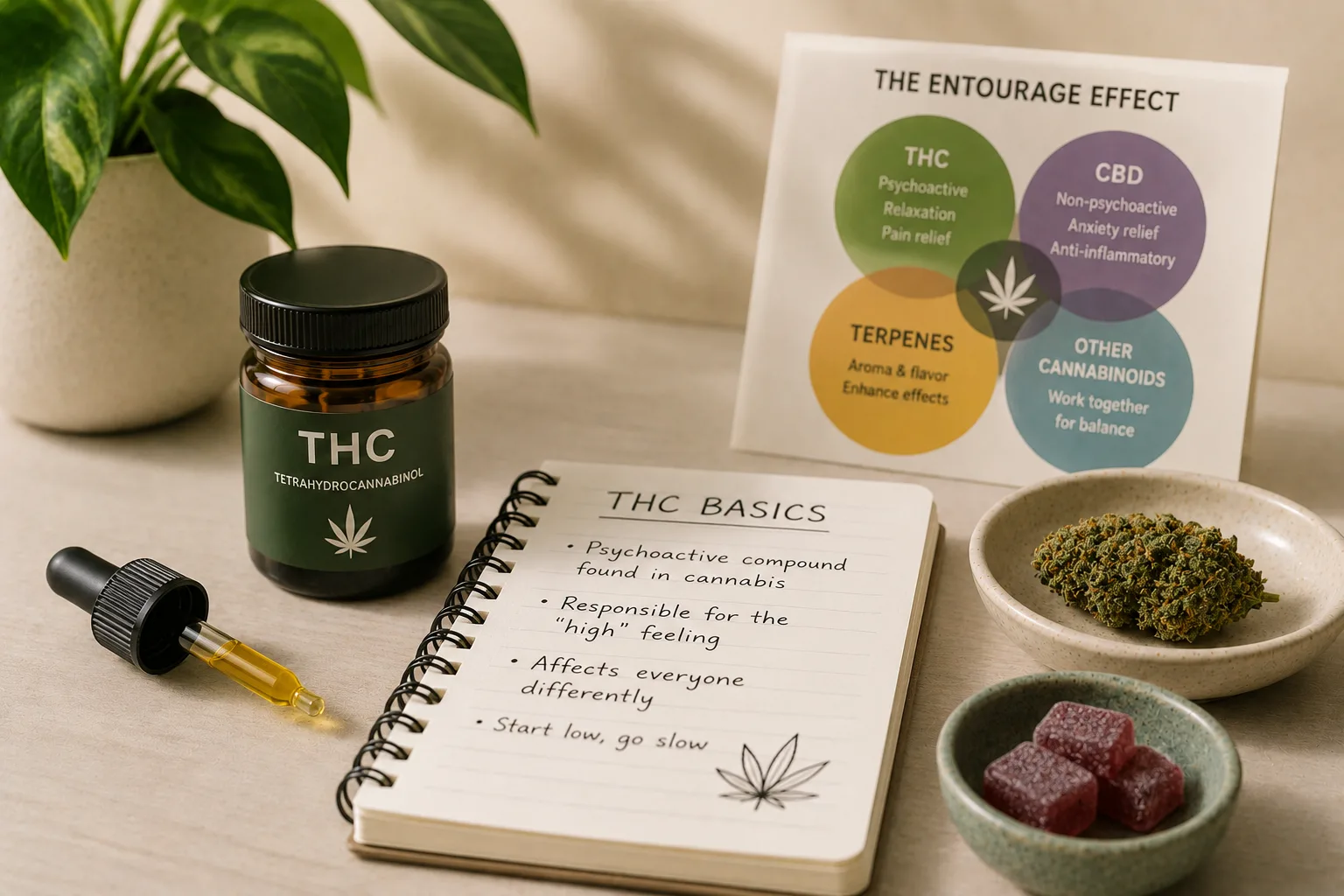
If you’re still fuzzy on the basics of THC itself, a quick read through our beginner’s guide to THC before your visit can make that conversation even easier, since you’ll already understand what potency numbers on the label actually mean.
Most states require budtenders to hold a specific cannabis worker permit or badge, separate from a standard job application, and that usually involves a background check along with a state-issued fee.
This varies by state, but common disqualifiers include certain felony convictions, particularly those related to distribution of controlled substances, and failing a state-mandated background check tied to the cannabis worker permit. Being under 21 universally disqualifies a candidate, since states require budtenders to meet the same minimum age as customers purchasing adult-use products.
It depends heavily on the market. In states where cannabis has been legal for years, competition for budtender roles can be steep, since the job offers steady hours, employee discounts, and a genuinely interesting product to learn about. Newer markets tend to have more openings relative to applicants. Customer service experience helps a lot, since the role leans heavily on people skills, and a background in retail or hospitality tends to stand out on an application.
Pay varies widely by state, store, and experience level. According to wage data compiled by Salary.com, average hourly pay for budtenders in the United States tends to fall somewhere in the mid-to-high teens per hour.
Most budtenders earn an hourly wage as the base of their pay, the same structure you’d see in most retail jobs. On top of that, many dispensaries allow tipping, and some stores add commission or performance bonuses tied to sales volume or customer reviews. So a budtender’s actual take-home pay is often a combination of hourly wage, tips, and incentive pay rather than a single flat number.
Generally, budtenders earn the most in states with a higher cost of living and more mature, competitive cannabis markets, since wages tend to track regional living costs the same way they do in most retail and hospitality jobs. Tips add to that in many stores, and some budtenders also earn commission or bonuses tied to sales performance, which can push take-home pay above the posted hourly rate in busier locations.
Tipping culture in dispensaries varies by region and isn’t universal the way it is in restaurants, but many customers do tip, especially when a budtender spends real time walking them through options or handling a complicated order. It’s rarely considered outright rude to skip it, particularly for a quick transaction, but a small tip for genuinely helpful service is generally appreciated.
The skills that make a great budtender go beyond memorizing strain names. Product knowledge matters enormously, since customers ask detailed questions about terpenes, THC percentages, and how different consumption methods compare. But soft skills matter just as much, if not more. Patience with first-timers, the ability to read what a customer actually wants without making them feel judged, and clear communication about dosing and effects all separate an average budtender from an exceptional one. Basic math and register skills matter too, since the job still involves handling transactions accurately and following compliance rules around purchase limits.
Training varies by employer, but most dispensaries provide onboarding that covers product lines, compliance rules, and customer service standards specific to that store. Some budtenders pursue additional cannabis education through industry certification programs, which can help with career advancement into management or purchasing roles down the line.
For a lot of people entering the cannabis industry, it’s a strong first step. It builds product knowledge, customer service experience, and industry connections that can lead toward roles in cultivation, compliance, or dispensary management.
No, reputable dispensaries prohibit employees from being impaired on shift, the same way any retail or hospitality job would. Staff need clear judgment to verify IDs correctly, handle transactions, and give customers accurate guidance, all of which require a sober, focused mind.
Checking IDs, answering product questions, guiding customers toward the right item for their goals, handling sales, and keeping the sales floor organized and stocked.
Most states require a specific cannabis worker permit separate from general employment eligibility, which typically involves a background check and a state fee.
The individual dispensary usually handles training and covers product knowledge, compliance requirements, and customer service. Some budtenders also complete outside certification courses.
Be specific about your experience level, what effect you’re hoping for, and how you’d like to consume the product. The more context you give, the better the recommendation.
Once you understand what a budtender actually does, the whole idea of walking into a dispensary gets a lot less intimidating. It’s a conversation, not a test, and the person on the other side of the counter genuinely wants to help you leave with something you’ll enjoy.
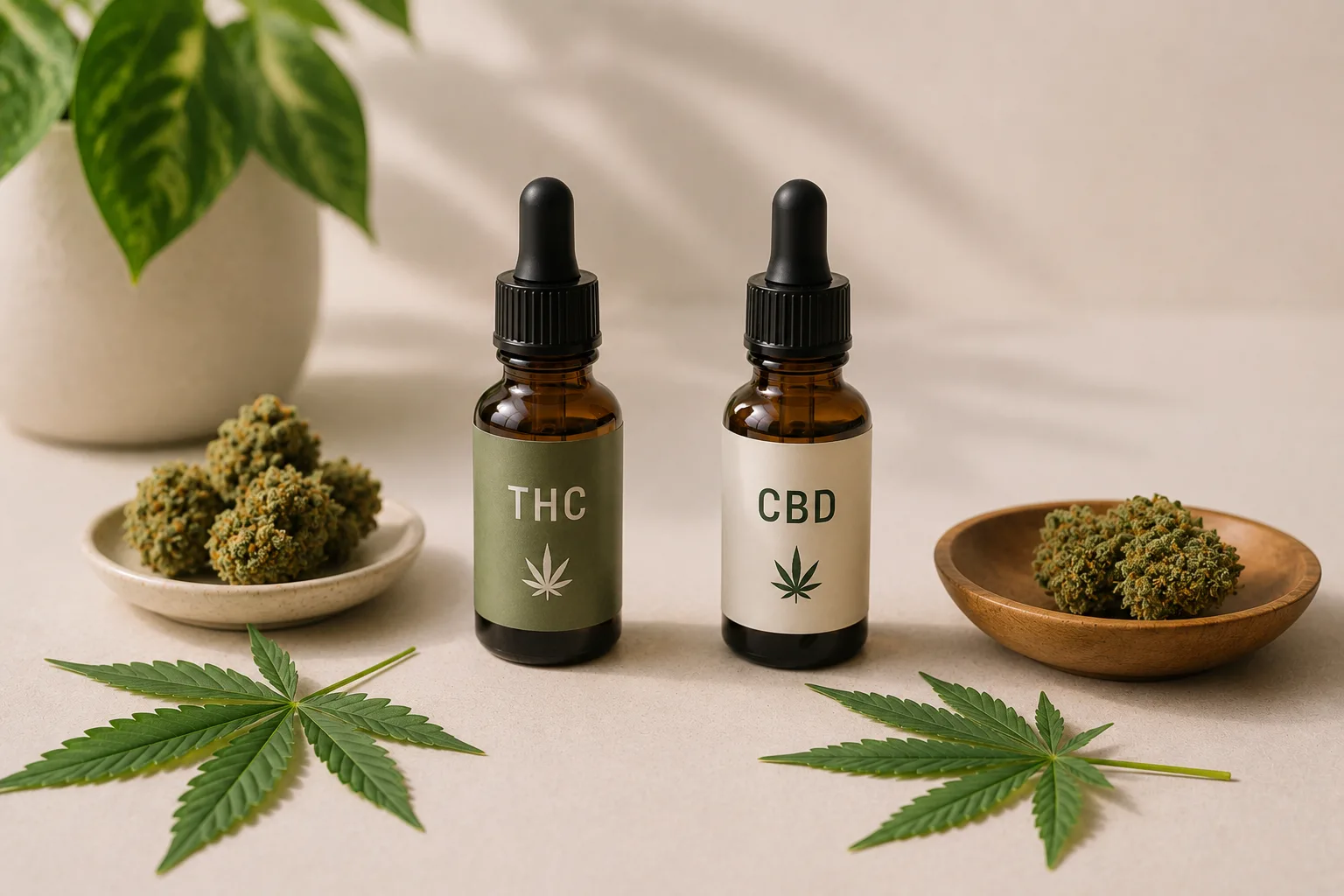
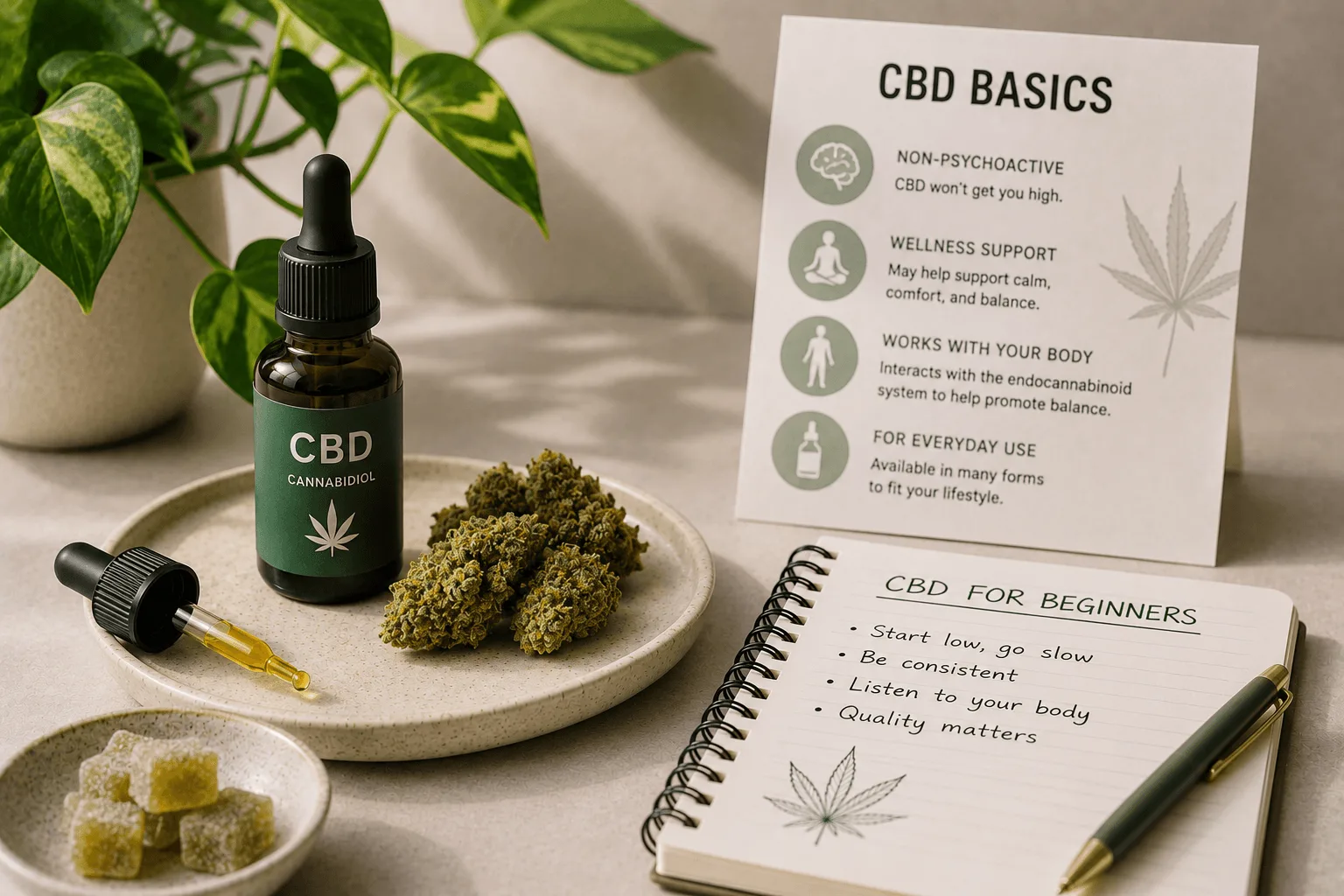
If you want to build up a little more background before your next visit, browsing through a few more posts on cannabis basics or a beginner’s rundown of THC versus CBD is a solid way to walk in already speaking a little of the language.

© 2026 Lucky Lion
Disclaimer: This product is not for use by or sale to persons under the age of 21. Consult with a physician before use if you have a serious medical condition or use prescription medications. These statements have not been evaluated by the FDA. This product is not intended to diagnose, treat, cure or prevent any disease. By using this site you agree to follow the Privacy Policy and all Terms & Conditions printed on this site.

Address: 7817 NE Halsey St Portland, OR 97213
Address: 14800 SE Powell Blvd Portland, OR 97236
Address: 16148 NE Sandy Blvd Portland, OR 97230
Address: 2147 Main St, Springfield, OR 97477