

Understanding THC: A Beginner’s Guide
THC is the cannabinoid most people mean when they say “cannabis.” It is the part of the plant most responsible…
Walk into a dispensary and scan the labels. THC: 27%. THCA: 29%. The numbers can feel like a secret language. And for newcomers and longtime consumers alike, the confusion often starts right there: What exactly is THCA? And how does it relate to THC?
It’s not just a chemistry question, it’s a question of experience, legality, and what you want from your cannabis. At ourdispensary, this conversation happens daily. And it’s one worth having, because understanding the difference between THC and THCA could change how you shop, how you consume, and how you feel. Let’s break it down, not with a microscope, but with a sharp eye and grounded clarity.
THC, or delta-9-tetrahydrocannabinol, is the well-known psychoactive compound in cannabis. It’s what gets you high. When people talk about potency, they’re usually referring to how much THC is present in a product.
But here’s a key point: raw cannabis flower doesn’t contain much THC. Not until you heat it.
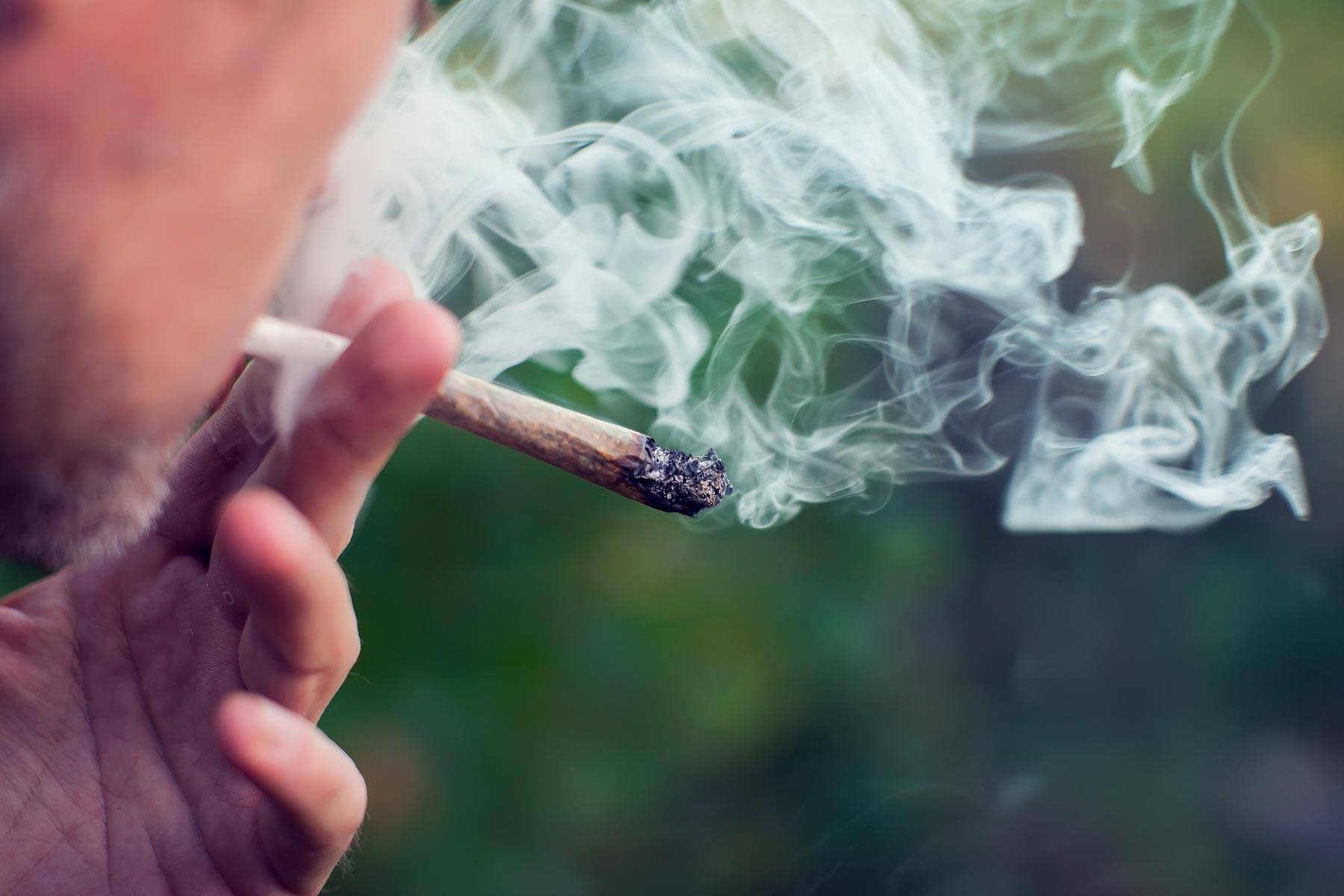
Most raw cannabis contains THCA, tetrahydrocannabinolic acid, a non-psychoactive precursor to THC. It’s only after THCA undergoes a transformation through heat (a process called decarboxylation) that it becomes THC. This is what happens when you smoke, vape, or bake it into edibles. THCA converts to THC when exposed to heat, changing both its chemical structure and its effects on the body.
THCA is the raw, unheated form of THC. It exists naturally in the trichomes of the cannabis plant—the tiny, crystal-like structures on the surface of the flower. It’s part of the plant’s defense system, believed to protect against pests and UV light.
But here’s the important part for consumers: THCA does not get you high. You could eat a whole nug of raw cannabis with sky-high THCA levels and feel nothing psychoactive. That’s why some medical users prefer THCA-rich products for therapeutic benefits without intoxication. Scientific studies suggest THCA may have anti-inflammatory and neuroprotective properties, though research is still developing. THCA’s potential in modulating inflammation and protecting brain cells from oxidative stress.
The shift from THCA to THC happens through decarboxylation, a fancy word for “apply heat and remove a carbon atom.”
Here’s how it happens in common scenarios:
So when you look at a label at our Portland dispensary, don’t just glance at the “THC percentage.” Look for THCA levels too, because that’s where the bulk of potential THC is stored, just waiting to be released.
Most flower products won’t show a high “THC” percentage on their own, because the THC only forms once you heat it. Instead, testing labs measure THCA and then calculate the total potential THC post-decarboxylation.
The standard formula looks something like this:
Total THC = (THCA × 0.877) + THC
That 0.877 accounts for the molecular difference when THCA loses its carboxyl group and becomes THC. It’s chemistry in action, and it matters more than people realize.
So if a label says:
That’s your real potency. It’s why two strains with the same “THC” listed can hit you differently depending on how much THCA is present and how it’s activated.
While most recreational users aim for activated THC, THCA in its raw form is gaining attention among wellness-focused consumers.
Examples of how THCA is used without intoxication:
This makes THCA appealing to people looking for cannabis-based support during the day, when driving, working, or managing daily tasks without impairment.
| Feature | THC | THCA |
| Psychoactive? | Yes | No |
| Found in? | Heated cannabis, vapes, edibles | Raw flower, fresh plant, cold extracts |
| Activated by? | Decarboxylation (heat) | N/A |
| Common Benefits | Euphoria, relaxation, pain relief | Anti-inflammatory, neuroprotective |
| Used in? | Smoking, vaping, infused edibles | Juicing, topicals, non-heated tinctures |
In some states and jurisdictions, THCA-rich flower is legal under hemp laws as long as it doesn’t contain more than 0.3% active THC. However, once heated, that THCA turns into THC, and it’s suddenly psychoactive.
This legal gray area has led to a spike in THCA flower products online and across the U.S., especially in places where adult-use cannabis isn’t yet fully legal. But in regulated markets like Oregon, we focus on transparency and testing. THCA is listed prominently alongside THC so consumers can understand what they’re really getting.
If you’re ever unsure, just ask us. We’re happy to explain how a strain labeled “29% THCA” might translate to a very potent experience once lit.
Whether you’re shopping in person or online with us, here are smart questions to bring:
Pro tip: THCA can degrade over time if exposed to heat or light. Keep it cool, dry, and in airtight containers to preserve the intended effects.
Both THCA and THC engage with your endocannabinoid system, but in different ways.
In other words, THCA works behind the scenes, while THC takes center stage. As researchers explore this further, we may discover that THCA’s role is more nuanced and versatile than previously imagined. For now, we see anecdotal support from patients who report reduced inflammation, muscle pain, and nausea, all without the fog or fatigue that can accompany activated THC.
The question isn’t “Which one is better?” It’s “Which one is better for your purpose?”
At Lucky Lion in Portland, we stock flower, concentrates, tinctures, and more, each with detailed cannabinoid profiles so you can make an informed choice every time.
THCA and THC tell two different stories from the same origin. One is quiet, complex, and non-intoxicating. The other is dynamic, euphoric, and widely recognized. Understanding the relationship between them gives you better control over your cannabis experience, whether you’re lighting up, rubbing on, sipping, or simply exploring.
So next time you’re shopping cannabis, skip the label shorthand and look deeper. Ask about THCA. Ask how it becomes THC. Ask how it might support your day, or your night. And remember, whether you’re rolling up or staying grounded, we’re here in Portland with everything you need and more than a few answers. Let the plant speak. Let the heat shape it. And let the knowledge guide you.

© 2026 Lucky Lion
Disclaimer: This product is not for use by or sale to persons under the age of 21. Consult with a physician before use if you have a serious medical condition or use prescription medications. These statements have not been evaluated by the FDA. This product is not intended to diagnose, treat, cure or prevent any disease. By using this site you agree to follow the Privacy Policy and all Terms & Conditions printed on this site.
Address: 7817 NE Halsey St Portland, OR 97213
Address: 14800 SE Powell Blvd Portland, OR 97236
Address: 16148 NE Sandy Blvd Portland, OR 97230
Address: 2147 Main St, Springfield, OR 97477