
More Than THC: What Is the Entourage Effect and Why It Changes How You Shop
Two vape cartridges sit side by side. Both test at 80 percent THC. One is made from live resin and…
Two vape cartridges sit side by side. Both test at 80 percent THC. One is made from live resin and the other from distillate with botanical terpenes added back in. Most people would assume they’ll feel roughly the same. Experienced consumers know better. The difference between those two products gets at what the entourage effect is, one of the most discussed and most misunderstood ideas in cannabis science.
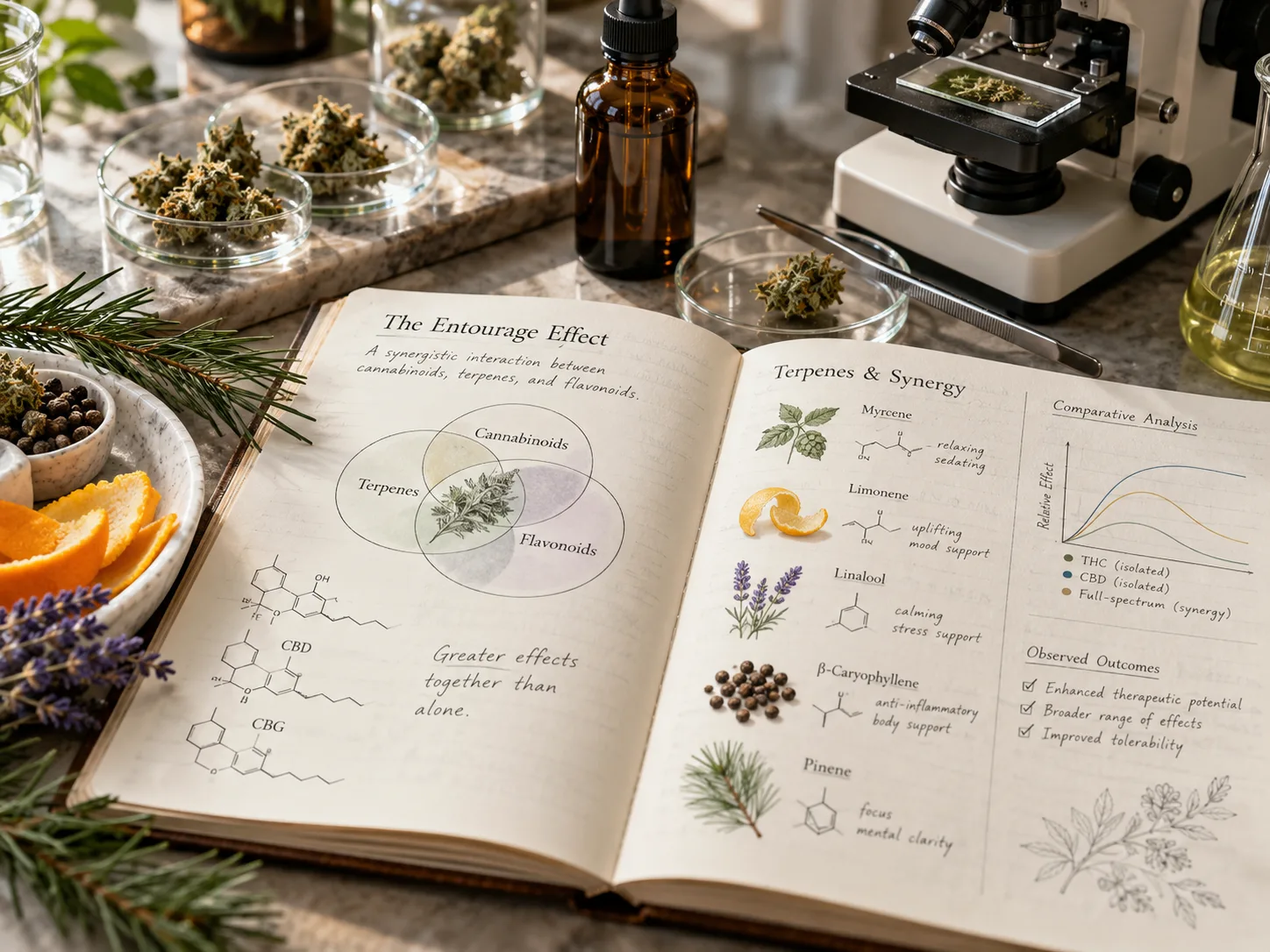
The cannabis plant produces more than 100 distinct cannabinoids and well over 100 aromatic terpenes, yet most of the research has studied these compounds one at a time. The entourage effect is the hypothesis that these compounds influence one another, producing an outcome that differs from what any single compound would do in isolation. It’s why two products with identical THC percentages can feel meaningfully different, and it’s a practical lens for understanding why the full chemical profile of a product matters as much as the number on the label.
The science is real, still developing, and more nuanced than most product marketing suggests. Here’s what’s actually established, what’s still being worked out, and how it applies directly to the products you’re choosing between at the counter.
The term first appeared in a 1998 paper in the European Journal of Pharmacology by Shimon Ben-Shabat, Raphael Mechoulam, and colleagues at the Hebrew University of Jerusalem. Mechoulam was already a central figure in cannabis science, having isolated THC in 1964 and helped identify the body’s own endocannabinoid system in the early 1990s.
The original study wasn’t about cannabis at all. The team found that certain fatty acid compounds the body produces, which did nothing on their own at cannabinoid receptors, boosted the activity of 2-AG, one of the body’s main endocannabinoids. The inactive molecules surrounded the active one like an entourage, amplifying a signal. The researchers raised the broader application to whole-plant cannabis products almost as a speculative side note.
The idea shifted from body to plant largely through neurologist Ethan Russo. His 2011 review in the British Journal of Pharmacology, “Taming THC,” gathered evidence on how terpenes and minor cannabinoids might shape THC’s effects. He proposed specific pairings — including the possibility that the terpene pinene might counteract some of THC’s short-term memory effects — and turned a narrow lab finding into a broad framework that most people encounter today. At the time, though, it was a well-reasoned hypothesis built largely on animal studies and known pharmacology, meant to guide future research rather than settle the question.
The evidence base for the entourage effect is genuinely encouraging in places and genuinely incomplete in others. Treating it as a proven mechanism overstates what we know. Dismissing it as marketing fiction understates what we know. The honest picture is somewhere in between.
The strongest human evidence involves THC and CBD together. A 2010 clinical trial of 177 people with cancer pain that opioids weren’t adequately controlling found that approximately 43 percent of participants receiving a THC:CBD extract reported at least a 30 percent reduction in pain, compared with 21 percent on placebo. The THC-only extract didn’t separate meaningfully from placebo. That result doesn’t prove terpenes matter, but it does suggest that combining cannabinoids can produce outcomes a single cannabinoid doesn’t.
Full-spectrum extracts versus isolated CBD have also shown differences in research settings. A 2018 analysis in Frontiers in Neurology pooled observational data from people with treatment-resistant epilepsy. Among those using CBD-rich plant extracts, 71 percent reported improvement compared with 46 percent of those using purified CBD, and the extract group used a much lower average daily dose. Observational data can’t rule out other explanations, but the gap is notable.
The evidence gets thinner when it comes to terpenes specifically. A 2020 study in Frontiers in Pharmacology tested common cannabis terpenes including myrcene, pinene, beta-caryophyllene, and limonene and found no clear evidence that they altered cannabinoid receptor signaling, either alone or alongside THC. That doesn’t close the case entirely. Terpenes could still act through other pathways, such as serotonin or GABA systems, or through the olfactory system, which has a direct connection to the brain’s emotional centers. But it rules out the simplest explanation that much product marketing relies on.
A 2023 scoping review published in Biomedicines found that the research is still in its early stages, existing studies often reach conflicting conclusions, and most clinical support comes from observational and real-world reports. A more recent review in the National Library of Medicine similarly confirms that while the hypothesis is worth pursuing, definitive human clinical data remains limited.
The fairest answer to “is the entourage effect real” is this: it’s a plausible hypothesis with some encouraging evidence, several unanswered questions, and a few specific claims that haven’t held up under controlled testing. That’s less exciting than a yes or no, but far more useful when you’re making decisions about products.
Understanding the concept is one thing. Knowing what it means when you’re standing in front of a product case is another. The entourage effect translates directly into the distinction between full spectrum, broad spectrum, distillate, and isolate products, and it’s why those labels matter beyond marketing language.
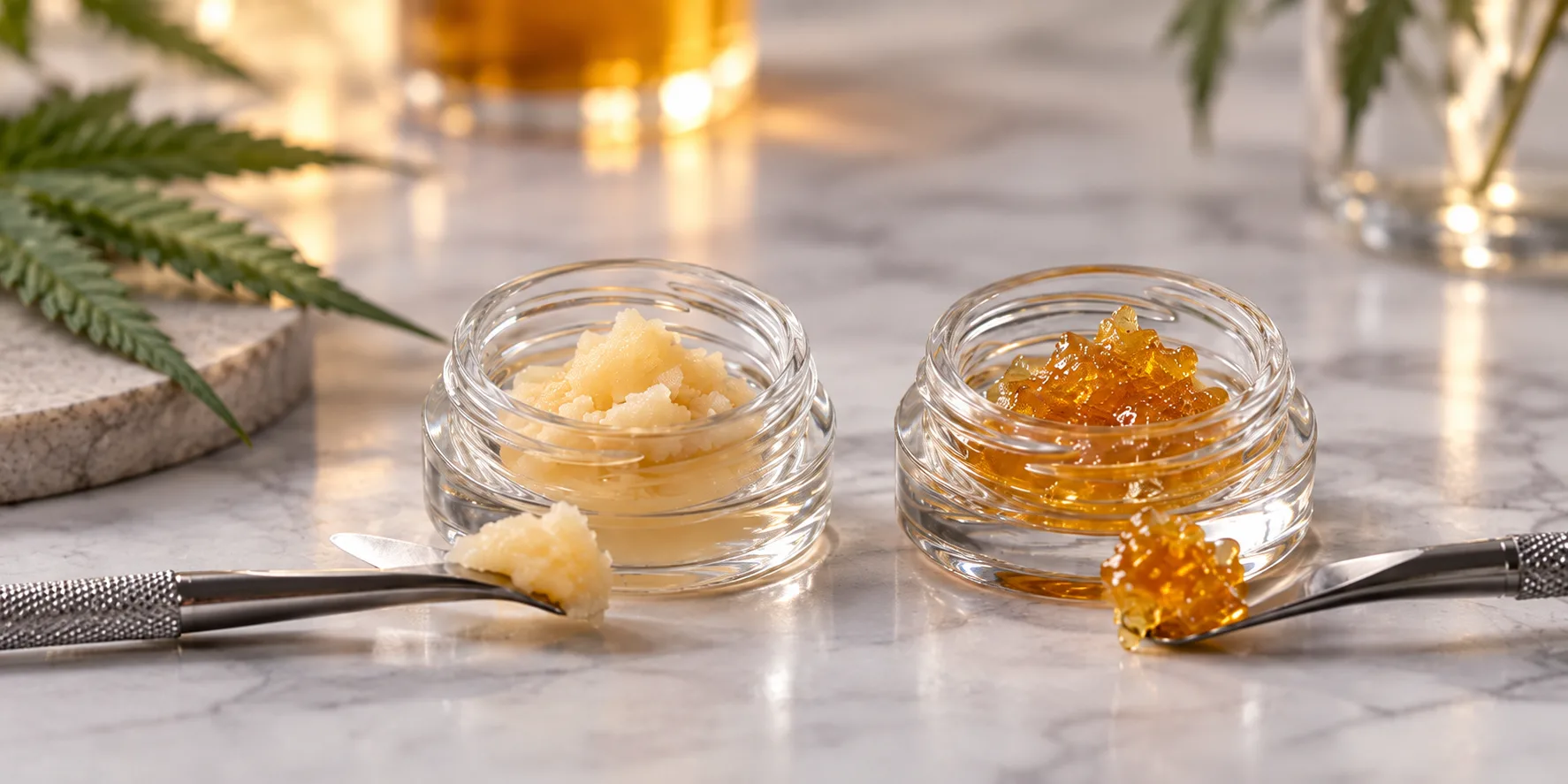
Full spectrum cannabis oil retains the complete range of compounds from the original plant: THC, CBD, minor cannabinoids like CBG, CBN, and CBC, along with terpenes and flavonoids. The goal is to preserve the plant’s original chemical profile during extraction. Full spectrum tinctures, RSO (Rick Simpson Oil), FECO (Full Extract Cannabis Oil), and properly made live resin products fall into this category.
An isolate contains a single purified compound — THC or CBD — with everything else removed. It’s predictable, precise, and has no entourage potential. Isolate-based products aren’t inferior by default, particularly for consumers who need exact dosing for specific purposes, but they operate differently than whole-plant medicine.
Broad spectrum sits between the two: it retains many of the minor cannabinoids and terpenes found in full spectrum products, but with THC removed to trace or non-detectable levels. It’s designed for people who want more of the plant’s profile without THC exposure.
1:1 THC:CBD products are one of the most deliberate applications of entourage thinking available on a dispensary menu. The logic is rooted in the evidence that CBD can act as a negative allosteric modulator of CB1 receptors, meaning it may alter how THC binds and potentially soften some of THC’s more intense effects while preserving its therapeutic properties.
A 1:1 edible or tincture isn’t just “half the THC.” It’s a different compound relationship, and many consumers find it produces a more balanced experience than either cannabinoid alone. The cancer pain trial cited earlier, where the THC:CBD extract outperformed both the THC-only extract and placebo, is the most cited clinical illustration of this principle.
Other ratios serve different purposes. A 2:1 CBD:THC product keeps most of CBD’s anti-inflammatory and anxiolytic potential dominant while still including some THC. A 10:1 or higher ratio is common for consumers who want minimal psychoactivity. These products aren’t just marketing variations; they represent different therapeutic hypotheses about which compound relationship serves a given need.
If you’re new to cannabinoid ratios, the Lucky Lion beginner’s guide to THC vs CBD covers how each compound works before it gets into how they interact.
The most practical question the entourage effect raises is a simple one to ask at the dispensary counter: what’s actually in this product? A Certificate of Analysis (COA) from a licensed Oregon producer will list not just THC and CBD, but minor cannabinoids and, increasingly, terpene profiles. Two products with identical THC percentages can have very different compound profiles, and the COA is where those differences become visible.
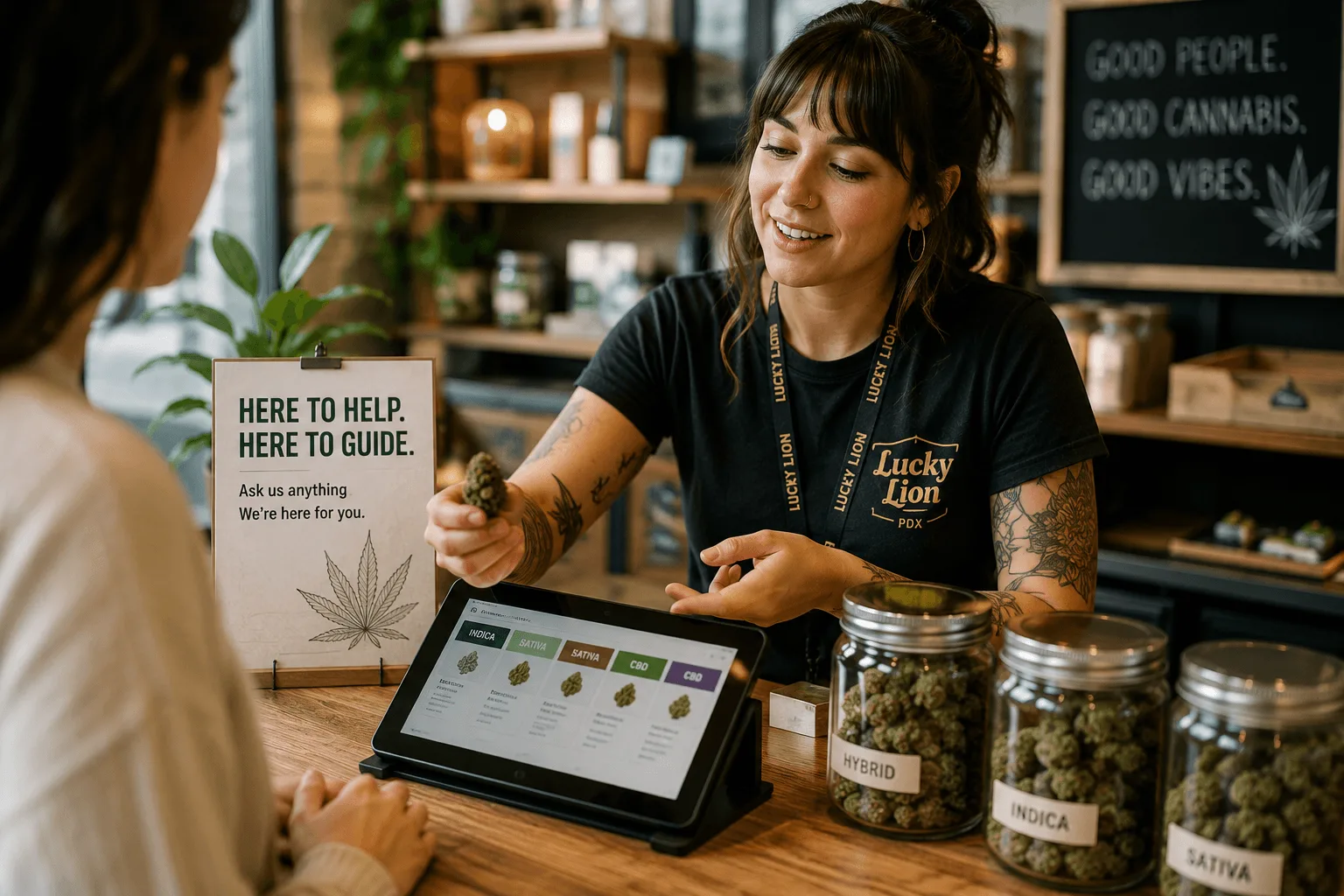
For vapes, ask if the product uses live resin, live rosin, or distillate with added terpenes, and whether those terpenes are cannabis-derived or botanical. For tinctures and oils, ask if the base oil is full spectrum or distillate-based. For edibles, ask which extract type was used. These are straightforward questions that any budtender at a well-stocked dispensary should be able to answer.
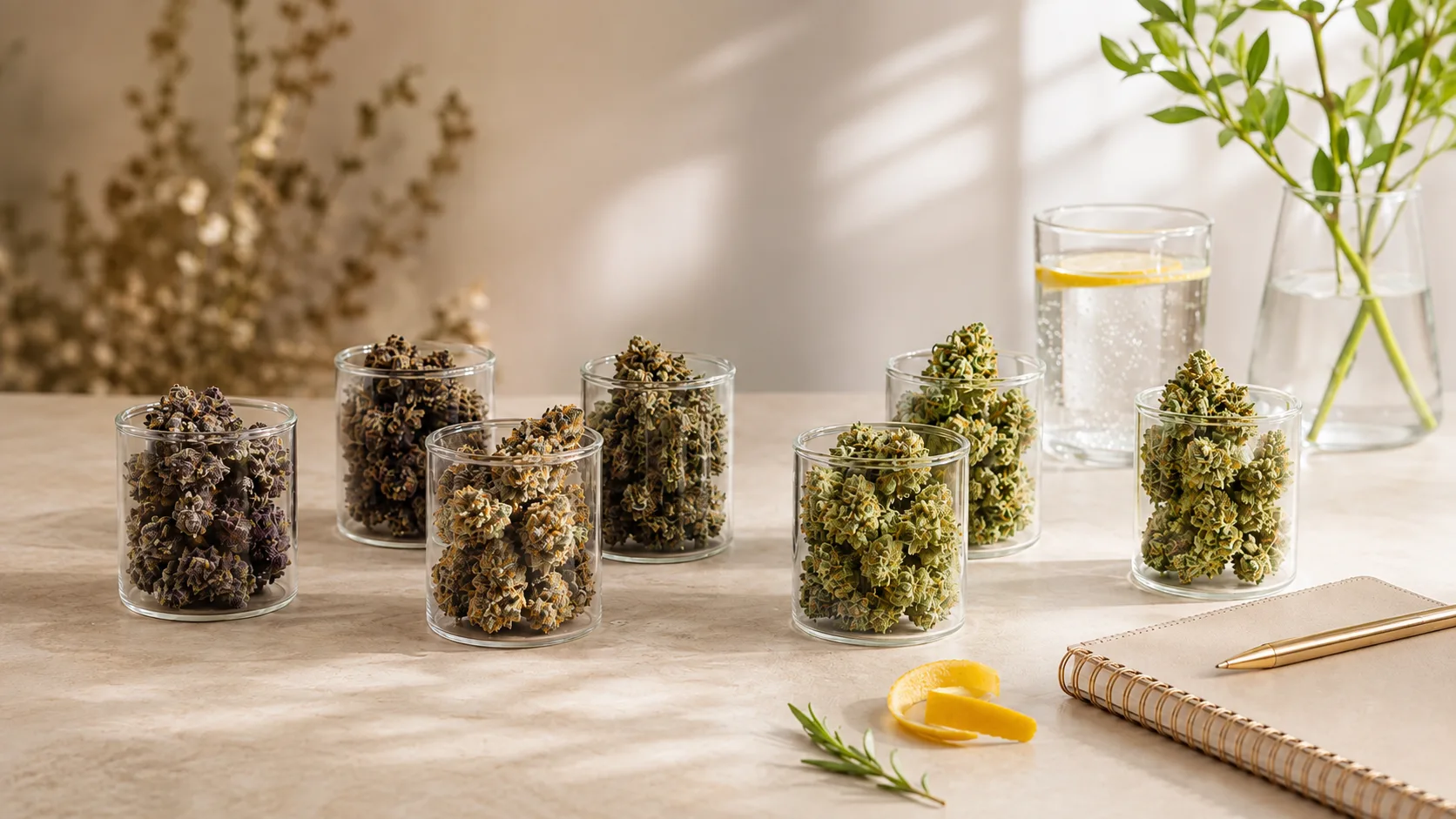
If you’re also exploring how strain type factors into the experience alongside compound profile, the Lucky Lion guide to indica vs sativa vs hybrid covers that layer of the conversation. And if you want to go deeper on how THC specifically works in the body before comparing products, this overview of THC for beginners is a useful starting point.
A short practical checklist for shoppers who want products more aligned with whole-plant medicine principles: look for “full spectrum” or “whole-plant extract” labeling, prioritize live resin or live rosin over distillate in the vape category, seek out 1:1 or ratio products for edibles and tinctures, read the COA for minor cannabinoid and terpene content, and ask specifically whether any terpenes in a vape cartridge are cannabis-derived rather than botanical.
The entourage effect is best understood as a well-founded hypothesis that science hasn’t finished testing, not a guarantee printed on a label. Practically, it offers a better question to ask when comparing products. Instead of just asking “how much THC is in this,” it’s also worth asking, “what else is in here?” The real differences between products with identical potency numbers often come down to that second question, and those differences are worth knowing about before you choose.
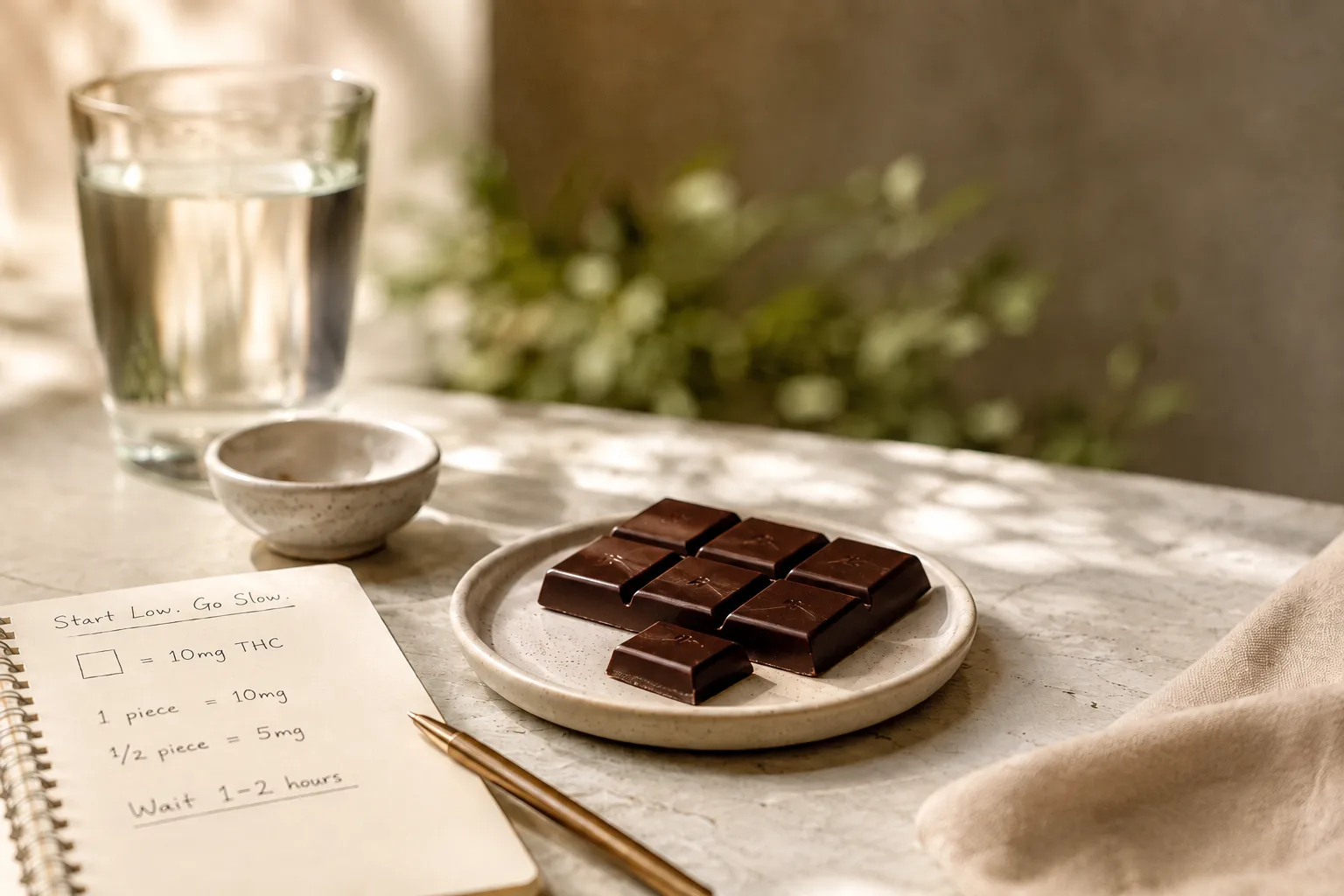
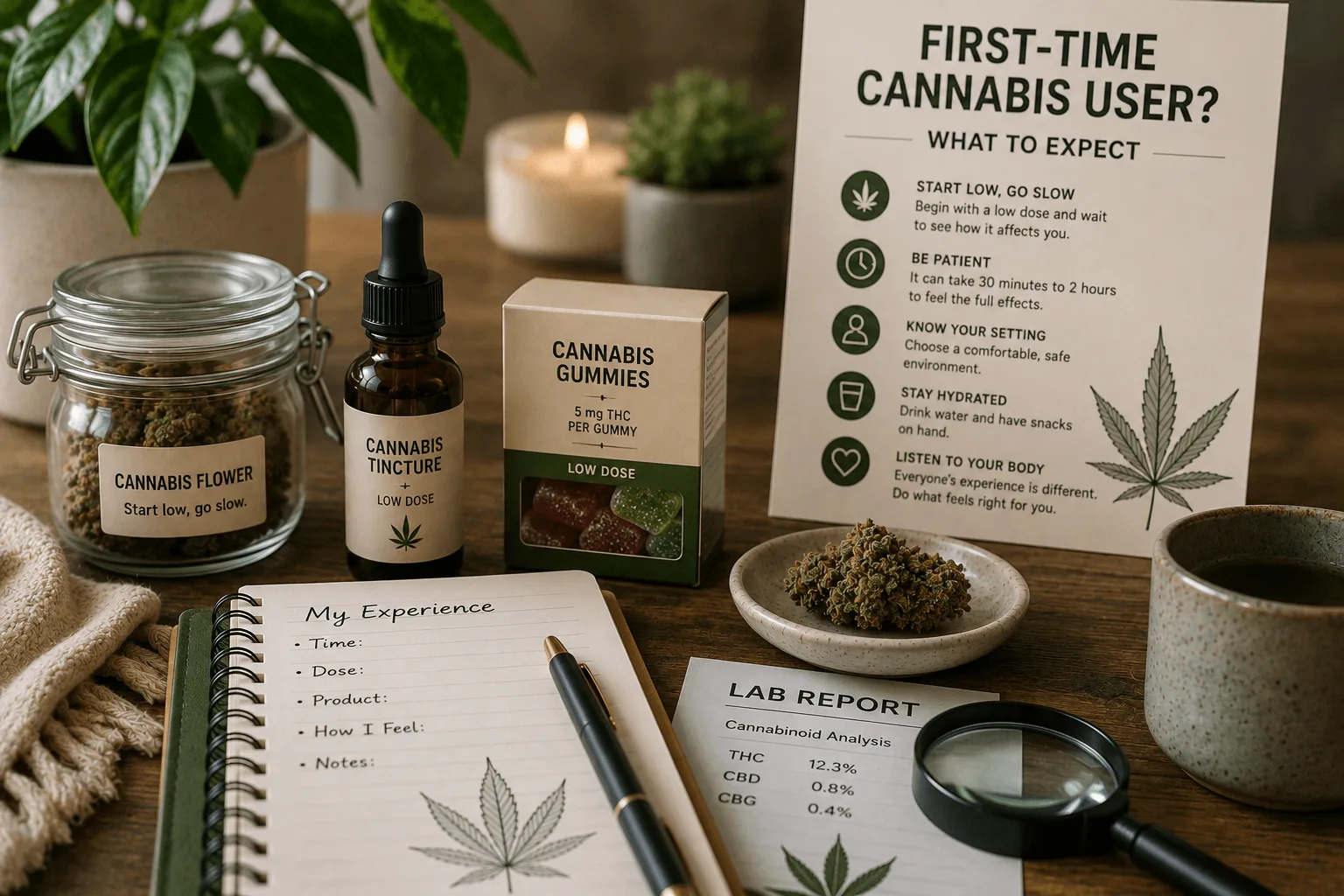
If you’re a first-time consumer and this is all feeling like a lot at once, the Lucky Lion first-time cannabis user guide breaks down what to expect before any of the compound science matters.

© 2026 Lucky Lion
Disclaimer: This product is not for use by or sale to persons under the age of 21. Consult with a physician before use if you have a serious medical condition or use prescription medications. These statements have not been evaluated by the FDA. This product is not intended to diagnose, treat, cure or prevent any disease. By using this site you agree to follow the Privacy Policy and all Terms & Conditions printed on this site.
Address: 7817 NE Halsey St Portland, OR 97213
Address: 14800 SE Powell Blvd Portland, OR 97236
Address: 16148 NE Sandy Blvd Portland, OR 97230
Address: 2147 Main St, Springfield, OR 97477